How To Keep Your Home Cooler During UK Heatwaves
As UK summers continue to bring longer periods of warm weather and more frequent heatwaves, many homeowners are looking for ways to keep their homes comfortable without relying on expensive air conditioning. While portable air conditioning units and fans can offer temporary relief, they often consume a significant amount of electricity and don’t address the underlying causes of overheating.
The good news is that there are plenty of practical ways to reduce indoor temperatures naturally. From improving ventilation to upgrading your windows and doors, small changes can make a noticeable difference to your home’s comfort while also helping to reduce energy bills.
In this guide, we’ll explore some of the most effective ways to keep your home cooler during the summer months and explain how modern glazing can play an important role in creating a more comfortable living environment.
Why Do Homes Overheat During Summer?
Many people assume that the outside temperature alone determines how hot their home becomes. In reality, much of the heat comes from direct sunlight entering through windows and being trapped inside.
Large south-facing windows, older double glazing, inadequate ventilation and dark roofing materials can all contribute to rising indoor temperatures. Once heat has built up inside a property, it can be surprisingly difficult to remove, particularly during prolonged periods of warm weather.
Understanding where the heat is coming from is the first step towards creating a naturally cooler home.
Maximise Natural Ventilation
One of the simplest and most effective ways to cool your home is by improving airflow.
Opening windows on opposite sides of your property encourages cross ventilation, allowing warm air to escape while drawing cooler air inside. During the hottest part of the day, it’s often better to keep windows, curtains and blinds closed to reduce solar heat gain, before opening everything again in the evening when outdoor temperatures begin to fall.
If your home has upper-floor windows, opening these alongside downstairs windows can also create a natural chimney effect, encouraging warm air to rise and leave the property.
Modern windows with secure ventilation positions allow homeowners to enjoy fresh air while maintaining security, making them particularly useful during warm summer evenings.
Close Curtains And Blinds At The Right Time
Although natural light is one of the biggest advantages of large windows, direct sunlight can quickly warm up internal spaces.
Closing curtains, blinds or shutters during the hottest hours of the day helps prevent solar heat from entering your home. Light-coloured fabrics are particularly effective because they reflect more sunlight than darker materials.
This simple habit can significantly reduce indoor temperatures, especially in rooms that receive prolonged afternoon sun.
Upgrade To Modern Energy-Efficient Windows
Older windows are often associated with heat loss during winter, but they’re also less effective at controlling heat gain during summer.
Modern double and triple glazing is designed to improve comfort throughout the year by helping regulate indoor temperatures.
Many energy-efficient windows incorporate specialist Low-E (low emissivity) glass, which reflects unwanted heat while still allowing natural daylight to enter your home. Some glazing options also feature solar control coatings that reduce the amount of solar radiation passing through the glass, helping to keep rooms cooler without making them feel dark.
Replacing outdated windows with modern, energy-efficient alternatives can therefore improve comfort during both the hottest and coldest months of the year.
Don’t Forget Your Doors
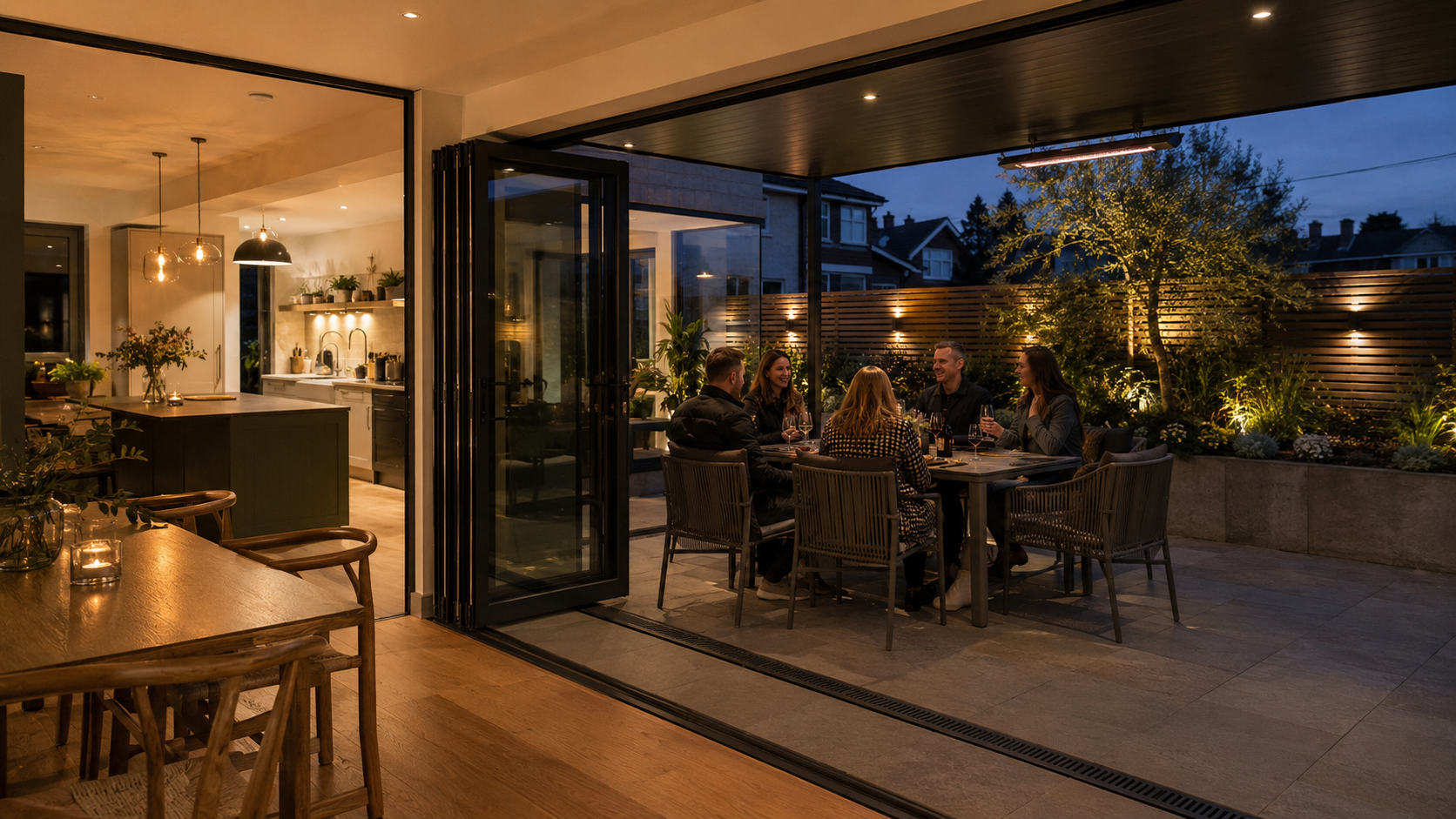
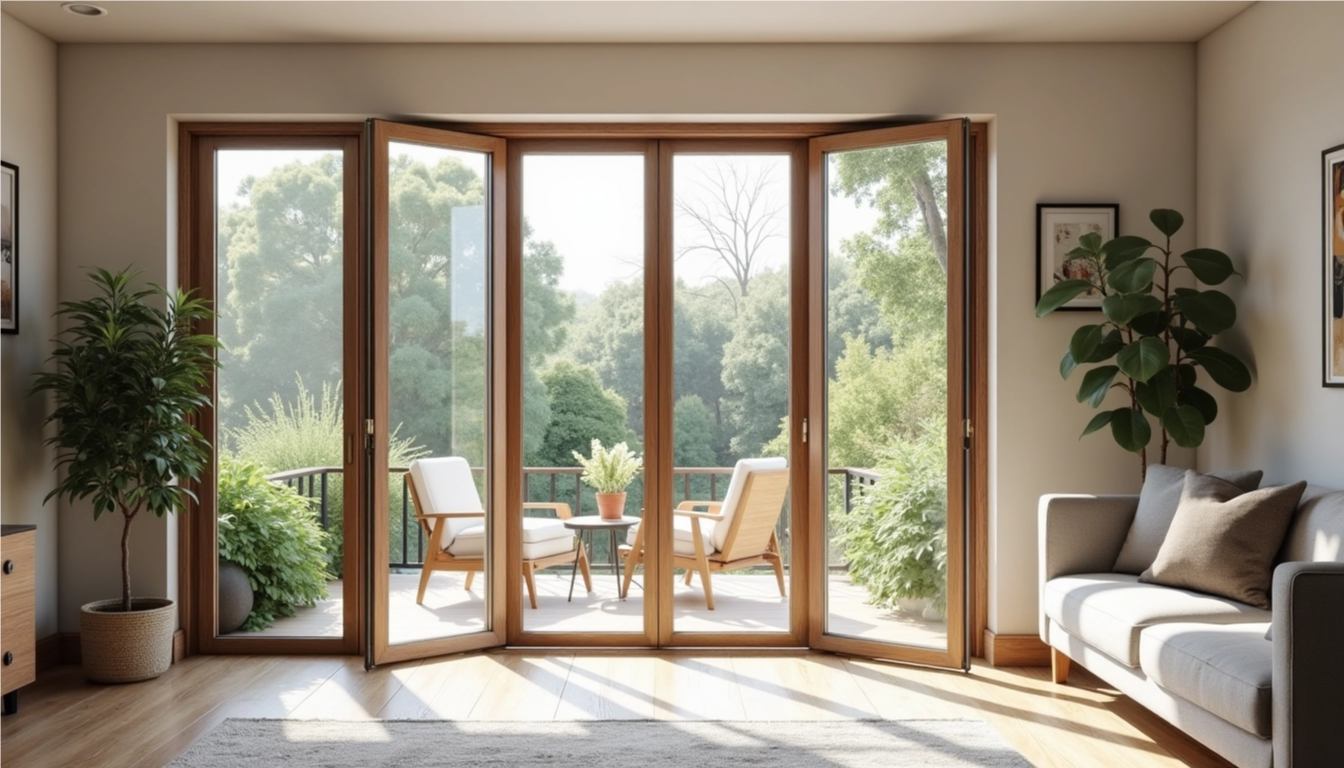
Patio doors, French doors and bi-fold doors often include large areas of glazing that receive substantial amounts of direct sunlight.
If these doors feature older glass, they may allow excessive heat into your living spaces during the summer months.
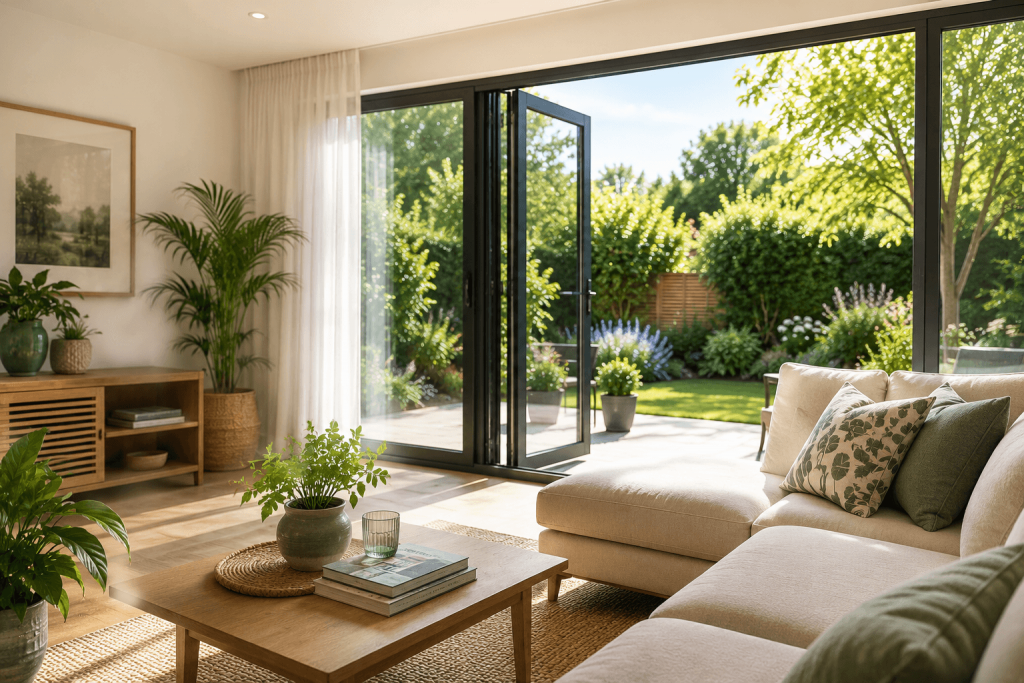
Modern sliding doors and contemporary bi-fold doors are available with advanced glazing that helps reduce solar heat gain while maintaining excellent visibility and allowing plenty of natural light inside.
This means you can continue enjoying beautiful garden views without making your home unnecessarily warm.
Reduce Heat Generated Inside Your Home
Not all heat comes from outside.
Many everyday household appliances generate warmth that can gradually increase indoor temperatures.
To minimise unnecessary heat:
- Use ovens less frequently and opt for outdoor cooking or lighter meals where possible.
- Run dishwashers and washing machines during the evening.
- Switch off electronic devices when they’re not being used.
- Replace older lighting with energy-efficient LED bulbs, which produce far less heat than traditional incandescent bulbs.
These small adjustments can collectively make your home noticeably more comfortable during particularly warm weather.
Use External Shading Where Possible
External shading can be remarkably effective because it stops sunlight before it reaches the glass.
Options such as awnings, pergolas, external blinds and strategically planted trees or shrubs can provide welcome shade throughout the day while enhancing your outdoor space.
Even a simple parasol positioned outside patio doors can reduce the amount of direct sunlight entering your home during the hottest part of the afternoon.
Improve Loft Insulation
Many homeowners associate insulation purely with keeping heat inside during winter, but it also helps slow the transfer of heat into your property during summer.
A well-insulated loft can reduce the amount of heat entering from the roof space, helping upper-floor bedrooms remain more comfortable overnight.
Combined with effective ventilation and modern glazing, good insulation forms part of a balanced approach to year-round comfort.
Choose Windows Designed For Year-Round Comfort
Today’s windows are designed to do much more than simply keep out wind and rain.
High-quality glazing can help:
- Reduce unwanted solar heat gain.
- Improve thermal efficiency during winter.
- Reduce outside noise.
- Increase home security.
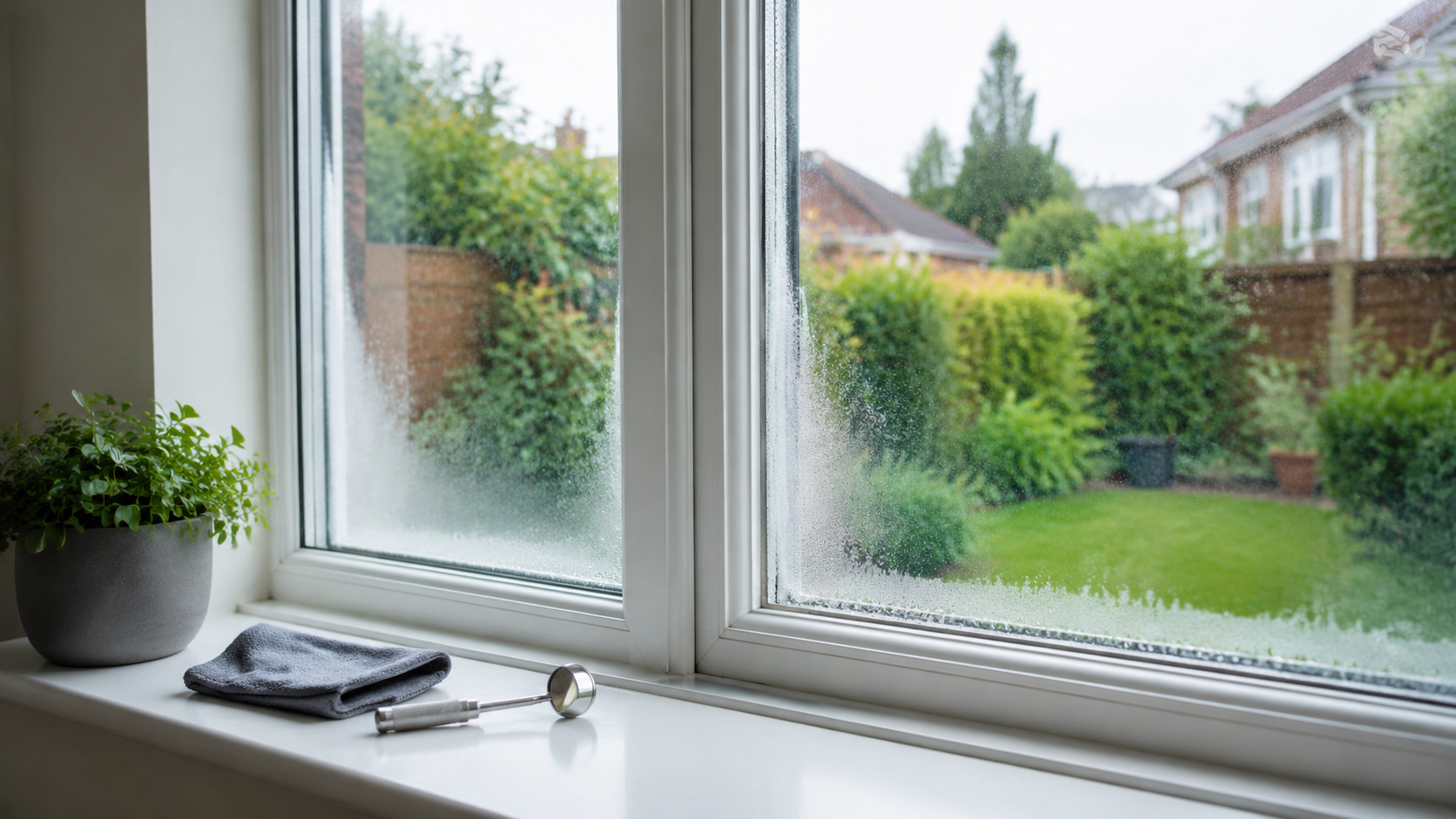
- Lower condensation.
- Improve overall energy efficiency.
Choosing the right windows isn’t simply about appearance—it’s an investment in your home’s long-term comfort and performance.
Keeping Your Home Comfortable This Summer
You don’t necessarily need air conditioning to enjoy a cooler home during the UK’s increasingly warm summers.
Simple changes such as improving ventilation, managing sunlight, reducing internal heat sources and using external shading can all make a meaningful difference. For homeowners considering longer-term improvements, upgrading to modern, energy-efficient windows and doors can help regulate indoor temperatures throughout the year while also improving security, reducing energy bills and enhancing your property’s appearance.
If you’d like to learn more about our range of energy-efficient glazing solutions, get in touch with Window Pains MK today and discover how modern windows can help you stay comfortable all year round!
Categories: Uncategorised