How Long Do UPVC Windows Last? The Signs It May Be Time To Repair Or Replace Them
UPVC windows typically last between 20 and 35 years, although their lifespan depends on factors such as product quality, installation, weather exposure and maintenance. Well-made windows that are properly fitted and regularly cared for may last even longer, while poorly installed or neglected windows can develop problems much sooner.
Knowing when your windows need attention can help you avoid unnecessary replacement costs and keep your home warm, secure and comfortable. From draughts and misty glass to faulty locks and damaged frames, there are several signs that your windows may need repairing or replacing.
In this guide, we’ll explore what affects the lifespan of uPVC windows, which problems can be repaired and when replacing your windows may be the more cost-effective option.
What Determines The Lifespan Of A UPVC Window?
Several factors influence how long uPVC windows last. Product quality is an important consideration, as well-manufactured frames, durable hardware and quality glazing are better equipped to withstand everyday use and changing weather conditions. Installation is equally important. Incorrect fitting can lead to draughts, water ingress and alignment problems, placing unnecessary strain on the frames and moving parts.
Weather exposure also plays a role. Windows exposed to strong sunlight, driving rain, coastal conditions and significant temperature changes may experience more wear over time. Similarly, windows that are opened and closed frequently can put additional pressure on handles, hinges and locking mechanisms.
Regular maintenance helps keep these components working properly and allows minor faults to be identified early. Natural movement within a property can also affect window alignment, potentially making windows harder to open, close or lock securely.
The Different Parts May Age At Different Rates
Not every part of a uPVC window will deteriorate at the same rate. The frames may remain in good condition even when individual components need replacing, making targeted repairs a practical alternative to installing entirely new windows.
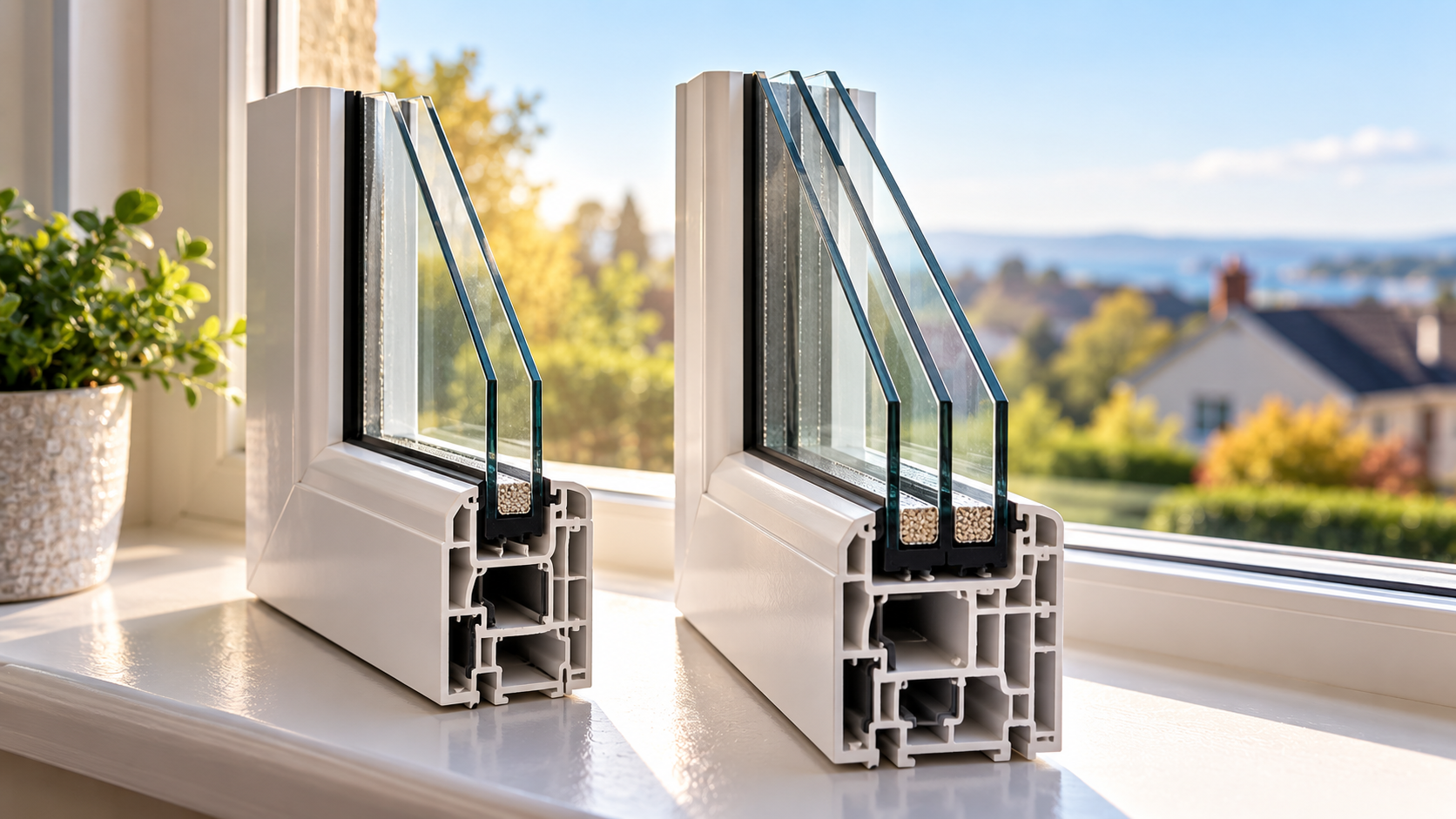
UPVC frames are designed to be durable, but prolonged exposure to sunlight and the elements can eventually cause discolouration, brittleness or distortion. Sealed glass units have their own lifespan, and the seals around double glazing can fail over time, allowing moisture to collect between the panes.
Handles and locks can wear through regular use, while hinges may become stiff, corroded or misaligned. Rubber gaskets and weather seals can also deteriorate, reducing their ability to keep out cold air, rainwater and external noise. Identifying which component has failed is an important step towards choosing the right repair.
The Signs Your Windows Need Attention
One of the most noticeable signs of a problem is a draught around a closed window. This may indicate worn seals, gaps around the frame or an alignment issue that prevents the window from closing properly. If your home feels colder than usual despite having the heating on, it’s worth checking whether your windows are contributing to heat loss.
Condensation trapped between double-glazed panes is another common warning sign. Unlike condensation on the inside surface of the glass, moisture between the panes usually indicates that the sealed glass unit has failed. The glass may need replacing, although the surrounding frame can often be retained if it remains in good condition.
Windows that stick, refuse to close properly or become difficult to lock may have worn hardware or alignment problems. Water entering around the frame could point to damaged seals, blocked drainage channels or issues with the original installation. Cracked or distorted frames also deserve attention, particularly if the damage affects security or weather resistance.
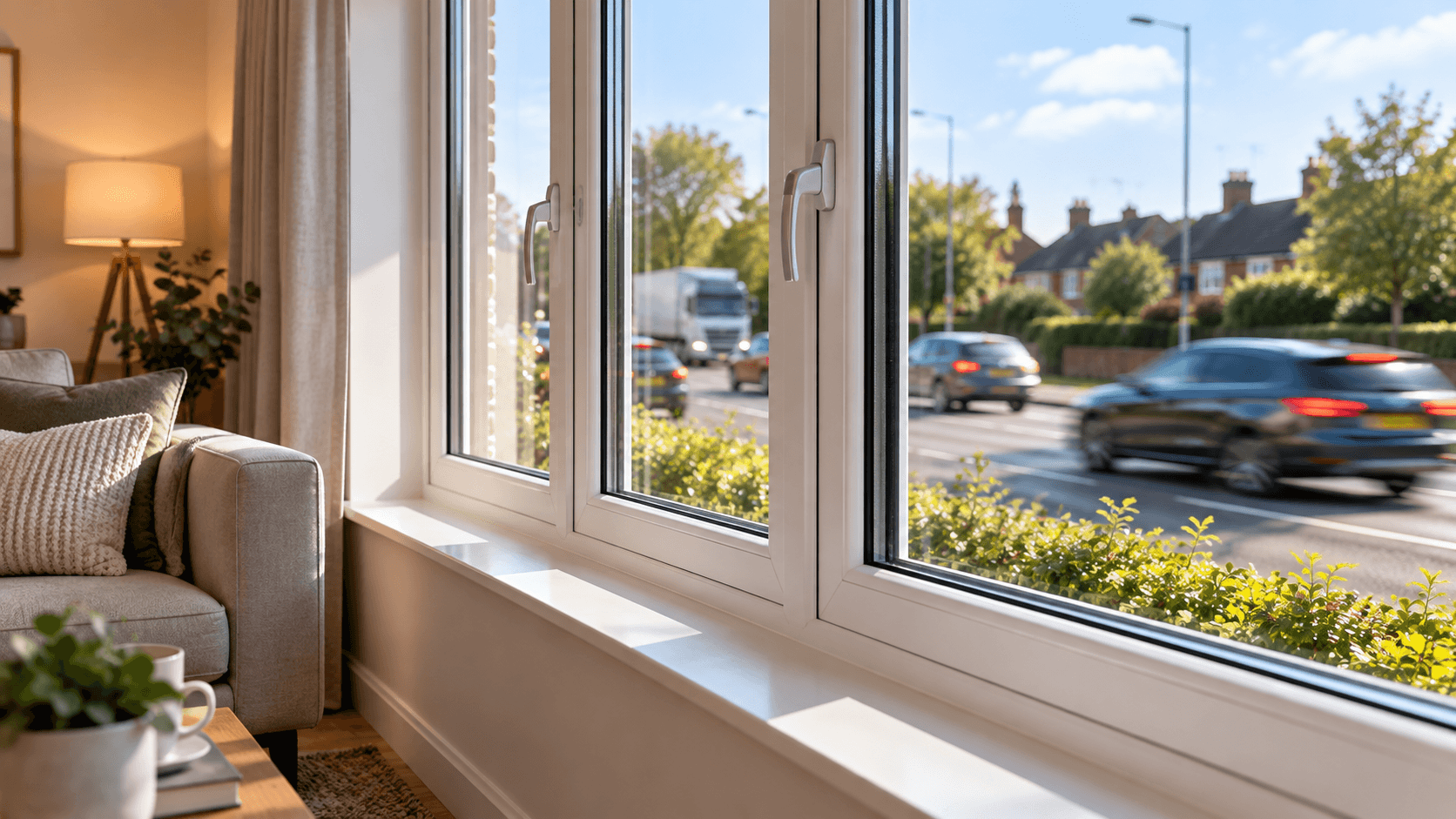
You may also notice more traffic or neighbourhood noise than before. Deteriorating seals, damaged glazing and gaps around the frame can all affect sound insulation, although the amount of noise entering your home will depend on several factors.
Which Problems Can Be Repaired?
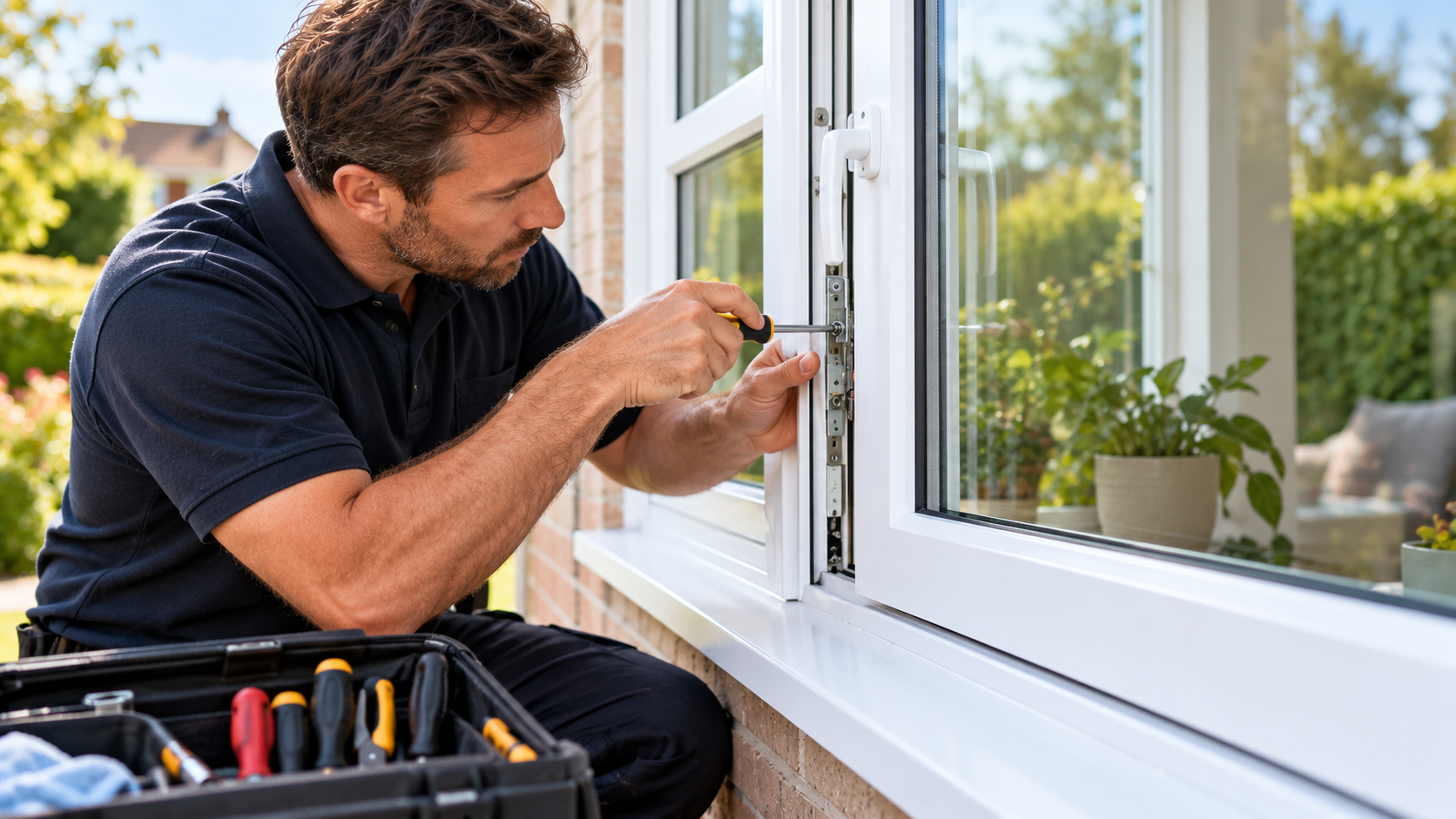
Many common uPVC window problems can be resolved without replacing the entire unit. Worn handles, faulty locks and stiff hinges can often be repaired or replaced individually. If a window has become difficult to operate, adjusting the hinges or correcting its alignment may restore smooth movement.
Damaged gaskets and weather seals can often be renewed to improve the window’s ability to keep out draughts and rain. Where condensation has developed between double-glazed panes, replacing the sealed glass unit may be sufficient, provided the existing frame is still structurally sound.
The most important step is to identify the cause of the problem rather than simply treating the symptoms. A professional inspection can help determine whether a straightforward repair will restore performance or whether more extensive work is required.
When Replacement Becomes More Cost-Effective
Although repairs can extend the life of uPVC windows, replacement may make better financial sense when frames are badly damaged, several components are failing or repair costs continue to mount up.
Older windows may also provide poorer thermal performance than modern alternatives, particularly if the glazing has deteriorated or the frames no longer seal properly. Installing new windows can improve comfort and reduce unwanted draughts, although the potential energy savings depend on the property’s construction and the condition of the existing windows.
Age alone doesn’t mean replacement is necessary. If your windows remain secure, operate correctly and provide effective insulation, keeping them and carrying out routine maintenance may be the more sensible option. Comparing the likely cost of repairs with the benefits of replacement will help you make an informed decision.
How To Extend The Life Of uPVC Windows
Regular maintenance can help your windows remain in good condition for longer. Clean the frames with warm water, a soft cloth and mild detergent, avoiding abrasive materials or harsh chemicals that could damage the surface. Keeping the frames clean also makes it easier to spot early signs of deterioration.
Drainage channels and external drainage holes should be kept clear of dirt and debris so rainwater can escape properly. Check that windows open and close smoothly, and use a suitable lubricant on moving hardware in line with the manufacturer’s recommendations.
It’s also worth inspecting the seals around the opening sections and glazing for cracks, gaps or signs of wear. Addressing minor issues early can prevent them from developing into more significant problems. If a window becomes difficult to operate or shows signs of water ingress, arrange an assessment rather than forcing the mechanism or attempting repairs you’re not equipped to carry out.
A Simple Annual Window Maintenance Checklist
Setting aside time once a year to inspect your windows can help you catch potential problems before they become expensive to resolve. Ideally, carry out these checks before winter, when draughts and water ingress can become more noticeable.
- Clean the frames and look for visible cracks, distortion or discolouration.
- Clear the drainage channels, check that water can escape freely and test each window to ensure it opens, closes and locks correctly.
- Inspect the handles, hinges and seals for signs of wear, and look for condensation between double-glazed panes.
- Check for draughts, leaks and damp patches around the window frames.
If anything appears damaged or isn’t working as it should, seek professional advice to establish whether a repair is needed.
Frequently Asked Questions
How Long Should UPVC Windows Last?
UPVC windows generally last between 20 and 35 years, depending on their quality, installation and maintenance. Some can last longer when properly cared for, while exposure to harsh weather or poor installation may shorten their lifespan.
Can UPVC Windows Last 40 Years?
Some uPVC windows may remain in service for 40 years, but this is beyond the typical expected lifespan. Their condition will depend on the quality of the original installation, the materials used, weather exposure and how well they’ve been maintained over time.
Should I Replace My UPVC Windows After 20 Years?
If your windows are secure, operate smoothly and provide effective insulation, repairs and regular maintenance may be enough to keep them working well. Their overall condition and performance are more important than their age alone.
Can Misty Double Glazing Be Repaired?
If condensation has formed between the panes, the sealed glass unit has usually failed. In many cases, the glass unit can be replaced without removing the entire window frame, provided the frame remains in good condition.
Do New uPVC Windows Improve Energy Efficiency?
Modern uPVC windows can improve energy efficiency, particularly when replacing older units with damaged seals, draughts or poorly performing glazing. The actual benefits will depend on the specifications of the new windows and the condition of your home’s existing windows.
How Often Should UPVC Windows Be Maintained?
It is advised to inspect and clean your windows at least once a year. Regular checks of the drainage channels, seals, handles, hinges and locking mechanisms can help identify developing problems before they require more extensive repairs.
Choosing The Right Solution For Your Property
With quality materials, proper installation and regular maintenance, uPVC windows can last for decades. However, signs such as draughts, misty glazing, faulty locks and water ingress shouldn’t be overlooked. Identifying problems early can help you avoid unnecessary expense and extend the useful life of your existing windows.
If your windows are getting older or no longer performing as they should, a professional inspection can help you understand their condition and decide whether repair or replacement is the right approach.
Categories: Uncategorised