Double Glazing Vs Triple Glazing: Which Is Right For Your Home?
Choosing new windows often comes down to one important question: should you install double glazing or pay extra for triple glazing?
Triple glazing has an obvious advantage on paper. It contains an additional pane of glass and another insulating cavity, which can improve thermal performance. However, that does not automatically make it the best choice for every home.
For many UK properties, modern double glazing can already provide a strong combination of insulation, comfort, security and value for money. Triple glazing can be particularly useful in certain circumstances, but the benefits need to be considered alongside the additional cost, increased weight and suitability of the existing frames and openings.
The right choice depends on the property, the rooms involved, the existing windows and what you are trying to achieve.
How Do Double And Triple Glazing Work?
The basic difference is straightforward.
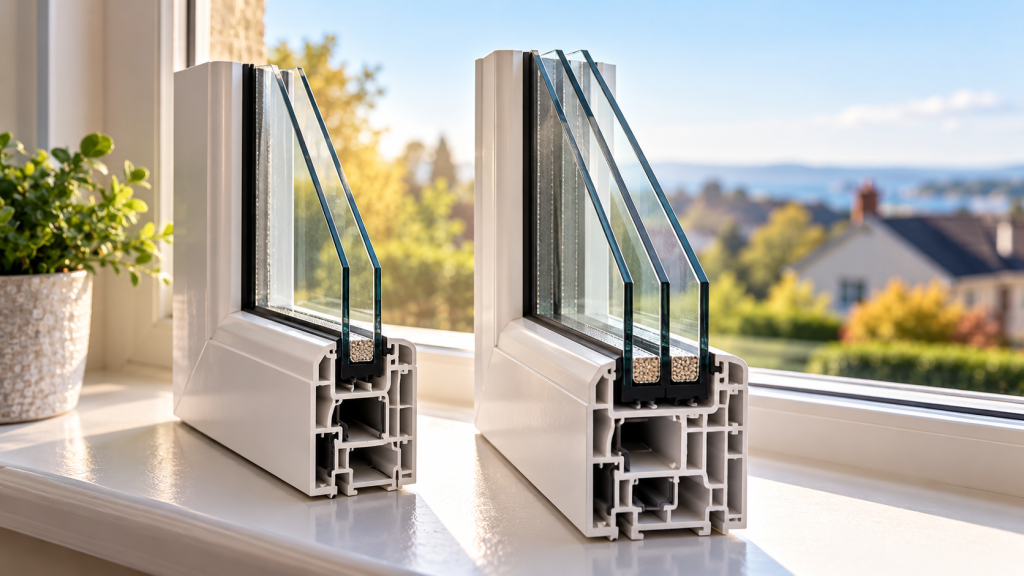
Double glazing has two panes of glass separated by an insulating cavity, while triple glazing has three panes separated by two cavities.
Those cavities are important because they reduce the amount of heat that can pass directly through the window. They are normally sealed and may contain an insulating gas rather than ordinary air.
There are several other components that influence performance.
Spacer Bars
Spacer bars hold the panes apart around the edge of the sealed unit. Modern spacer designs can help reduce heat transfer around the perimeter of the glass compared with older systems.
Low-Emissivity Glass
Low-emissivity, or low-E, coatings are designed to reduce the amount of heat lost through the glass while allowing useful sunlight into the room. The type and position of the coating can affect the overall performance of the unit.
Gas-Filled Units
The cavities in modern double- and triple-glazed units are often filled with insulating gases such as argon. These gases can provide better thermal insulation than ordinary air.
The result is that the performance of a window depends on much more than simply counting the number of panes.
Thermal Performance
When comparing glazing, you will often come across the term U-value.
In simple terms, a U-value indicates how readily heat passes through a building element. A lower U-value generally indicates better insulation.
Triple glazing can achieve lower U-values than many double-glazed configurations because the additional pane and cavity create another layer of insulation.
However, there is an important detail that homeowners sometimes overlook: the U-value of the glass is not necessarily the same as the U-value of the complete window.
The frame, spacers and installation all have an influence on the finished product. A very high-performing glass unit will not necessarily deliver its full potential if it is installed into a poorly performing frame or fitted incorrectly.
This is why it is worth looking at the specification of the complete window rather than choosing based solely on whether it is double or triple glazed.
Which Provides Better Noise Reduction?
It is easy to assume that triple glazing must be better for noise because it contains three panes rather than two. In reality, acoustic performance is more complicated.
The thickness of the glass, the spacing between panes, the quality of the seals and the construction of the window can all influence how much external noise is reduced.
Different types of glass can also be used to improve acoustic performance. Laminated acoustic glass, for example, can provide benefits for certain noise problems.
This means that triple glazing is not automatically the best answer to every noise issue.
A properly specified double-glazed window with suitable glass can sometimes be a better acoustic solution than a basic triple-glazed unit. The source and frequency of the noise also matter. Road traffic, aircraft, voices and other sounds do not all behave in exactly the same way.
For homes where noise reduction is a major priority, it is therefore worth discussing the specific glazing and window configuration rather than simply asking for triple glazing.
The Cost Comparison
The biggest difference most homeowners notice is the initial cost.
Triple-glazed windows generally cost more than comparable double-glazed windows because they use more glass, additional components and can require heavier-duty frames and hardware.
That additional expense may be justified where the extra thermal performance has a meaningful benefit.
For example, a homeowner carrying out a highly insulated renovation may want the windows to complement the overall thermal performance of the building. Similarly, a particularly exposed or cold property may benefit from reducing heat loss through its windows.
For a typical home, however, the difference in energy costs may not necessarily justify choosing triple glazing throughout the property.
Long-term value should therefore be considered alongside the upfront price. A high-quality double-glazed window may provide an excellent balance between performance and cost, while triple glazing may make more sense in specific rooms or properties.
Weight, Frames And Installation
Triple glazing is heavier than double glazing because of the additional pane.
That extra weight can affect the choice of frame, hinges and hardware, particularly when larger opening windows are involved.
It also means that the suitability of the existing window openings should be considered carefully. An existing frame designed for a particular double-glazed unit may not necessarily be appropriate for a heavier triple-glazed replacement.
Professional installation is important whichever option you choose. Even an excellent window specification can perform poorly if it is incorrectly fitted, poorly sealed or badly integrated with the surrounding structure.
For replacement windows, the installer should therefore consider the condition of the existing opening, the appropriate frame and hardware, the size and weight of the glazing and the requirements of the finished installation.
When Is Double Glazing Usually Sufficient?
For many UK homes, modern double glazing is likely to be sufficient.
It can offer substantial improvements over older single glazing or outdated double-glazed units, while generally costing less and putting less weight on the frames and hardware.
Double glazing can be a particularly sensible choice when:
- Existing windows are being upgraded primarily to improve comfort and reduce draughts.
- The property does not have unusually demanding thermal requirements.
- The additional cost of triple glazing would be difficult to justify.
- The homeowner wants a good balance between thermal performance and overall value.
- Suitable acoustic glass can be specified to address particular noise problems.
In these situations, investing in a well-designed and properly installed double-glazed window may make more sense than paying a premium simply for an additional pane.
When May Triple Glazing Be Worth Considering?
Triple glazing can be worth considering when thermal performance is a particularly high priority.
This can include very exposed properties, where windows are subjected to colder external conditions and strong winds, or rooms that consistently feel colder than the rest of the house.
It can also be relevant in highly insulated renovations and energy-efficient building projects, where the windows form part of a wider strategy to minimise heat loss.
Some homeowners may simply want to achieve the highest practical level of thermal performance and are comfortable paying more to do so.
Triple glazing can also contribute to a more comfortable internal environment by reducing the temperature difference between the room and the inner surface of the glass.
However, it is still important to assess the complete window specification rather than assuming that three panes automatically make a particular product the better option.
Double Glazing vs Triple Glazing: At-a-Glance Comparison
| Factor | Double Glazing | Triple Glazing |
| Number of panes | 2 | 3 |
| Insulating cavities | 1 | 2 |
| Thermal performance | Very good with a modern specification | Generally higher |
| Typical cost | Lower | Higher |
| Weight | Lighter | Heavier |
| Frame and hardware requirements | Generally less demanding | May require more substantial components |
| Noise reduction | Can be excellent with suitable glass | Can be good, but specification matters |
| Suitability | Appropriate for many homes | Particularly useful in higher-performance applications |
| Long-term value | Strong balance of cost and performance | Potentially worthwhile where maximum performance is a priority |
Frequently Asked Questions
Is triple glazing better than double glazing?
Triple glazing generally offers greater thermal insulation, but whether it is the better overall choice depends on the property, specification, installation and budget.
Is triple glazing worth the extra money?
It can be, particularly where improving thermal performance is a high priority. However, the additional cost may not provide enough benefit to justify upgrading every window in a typical home.
Does triple glazing reduce noise better?
Not necessarily in every situation. Acoustic performance depends on the glass thickness, spacing, seals and overall window design. Specialised acoustic glass can sometimes be more important than simply adding another pane.
Is triple glazing much heavier?
Yes. The additional pane increases the weight of the sealed unit, which can affect frame, hinge and hardware requirements.
Can existing double-glazed windows be upgraded to triple glazing?
Sometimes, but it depends on the dimensions, frame design and hardware. Triple-glazed units may not be suitable for every existing frame.
Will triple glazing make my house warmer?
It can reduce heat loss through the windows and may improve internal comfort, particularly near the glass. However, the overall result also depends on insulation, heating, draught control and the rest of the building.
Is double glazing still a good choice?
Yes. Modern double glazing can provide a strong level of thermal performance and remains a practical option for many UK homes.
Should every window in a house have the same glazing?
Not necessarily. Different rooms and elevations can have different requirements, and some homeowners may choose to prioritise the windows where improved performance will have the greatest benefit.
Which Glazing Is Right For Your Home?
The decision between double and triple glazing should not simply come down to which option has the most panes.
Triple glazing can deliver excellent thermal performance, but it also comes with additional cost, weight and installation considerations. Double glazing, meanwhile, can provide an excellent balance of insulation, practicality and value for many homeowners.
The best choice depends on the property itself.
Consider the age and construction of the home, the condition of the existing windows, the exposure of the building, the rooms you are looking to improve, your priorities for energy efficiency and noise reduction, and the overall budget.
Most importantly, look at the complete window specification, rather than judging performance on the number of panes alone.
If you are considering new windows, speak to a professional who can assess your property and discuss the most appropriate glazing specification for your particular needs. An honest assessment should help you understand where double glazing is likely to be sufficient, where triple glazing could offer useful additional benefits, and which option represents the most sensible investment for your home.
Categories: Uncategorised