Repair Or Replace? How To Decide What Your Old Windows Really Need
When an older window starts to cause problems, it can be tempting to assume that the entire window needs replacing. A draught, a broken handle, condensation between panes or an opening that no longer closes properly can make a window seem as though it has reached the end of its useful life.
In many cases, however, the problem may be limited to a single component.
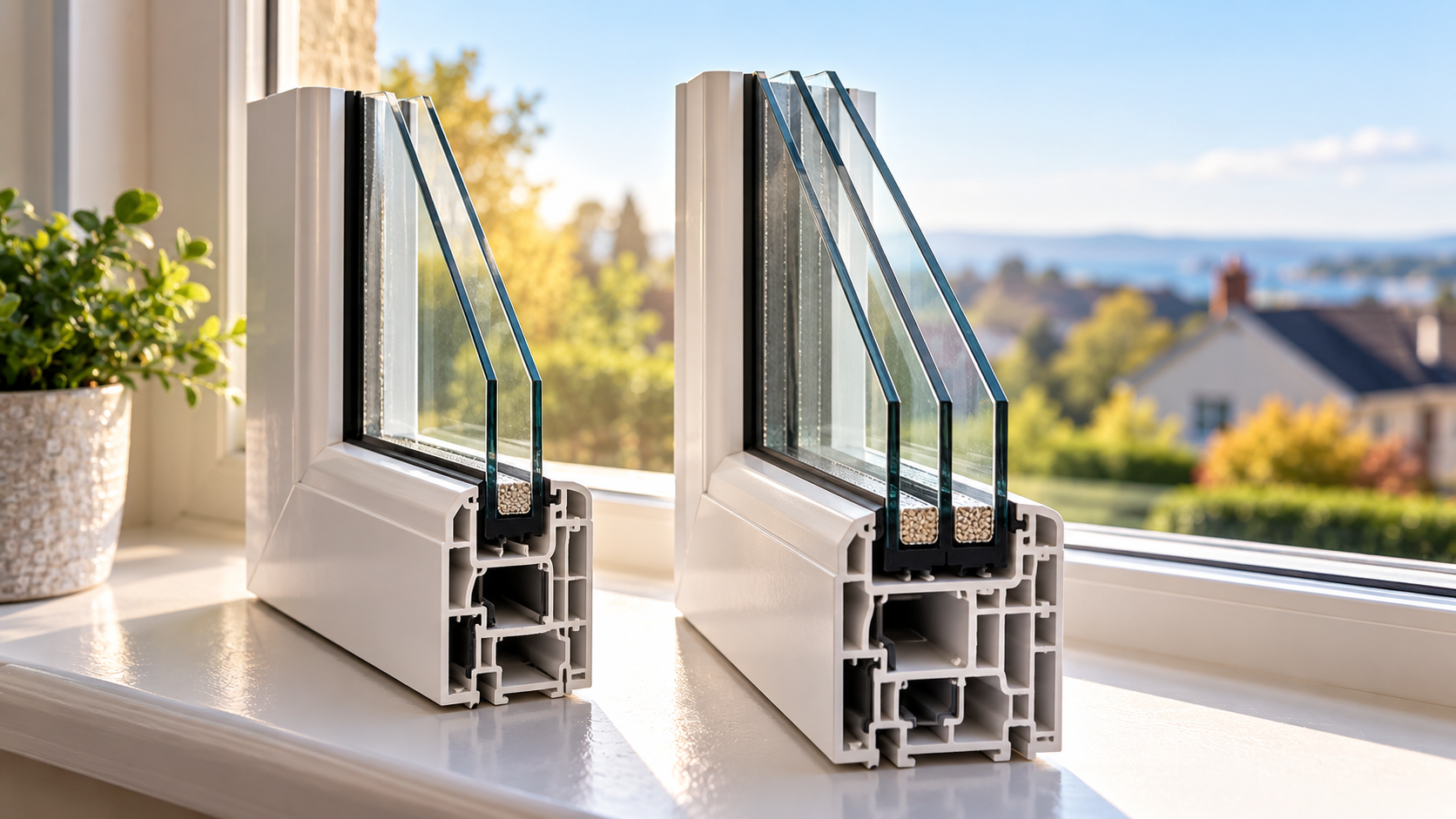
Modern windows are made up of several parts that work together, including frames, glass units, hinges, handles, locks, seals and drainage systems. When one of these components fails, repairing or replacing that individual part can often restore the window without the cost and disruption of a complete replacement.
That is why a sensible approach is to repair where practical and replace where necessary. The right decision depends on the condition of the whole window, not simply the fact that something has gone wrong.
Start by Identifying The Problem
Before deciding whether a window needs to be replaced, it is important to establish exactly what is causing the problem.
Common issues include:
Draughts
Draughts can be caused by worn seals, poorly adjusted hinges, gaps around moving parts or problems with the way the window closes. A draught does not automatically mean that the frame itself has failed.
Condensation
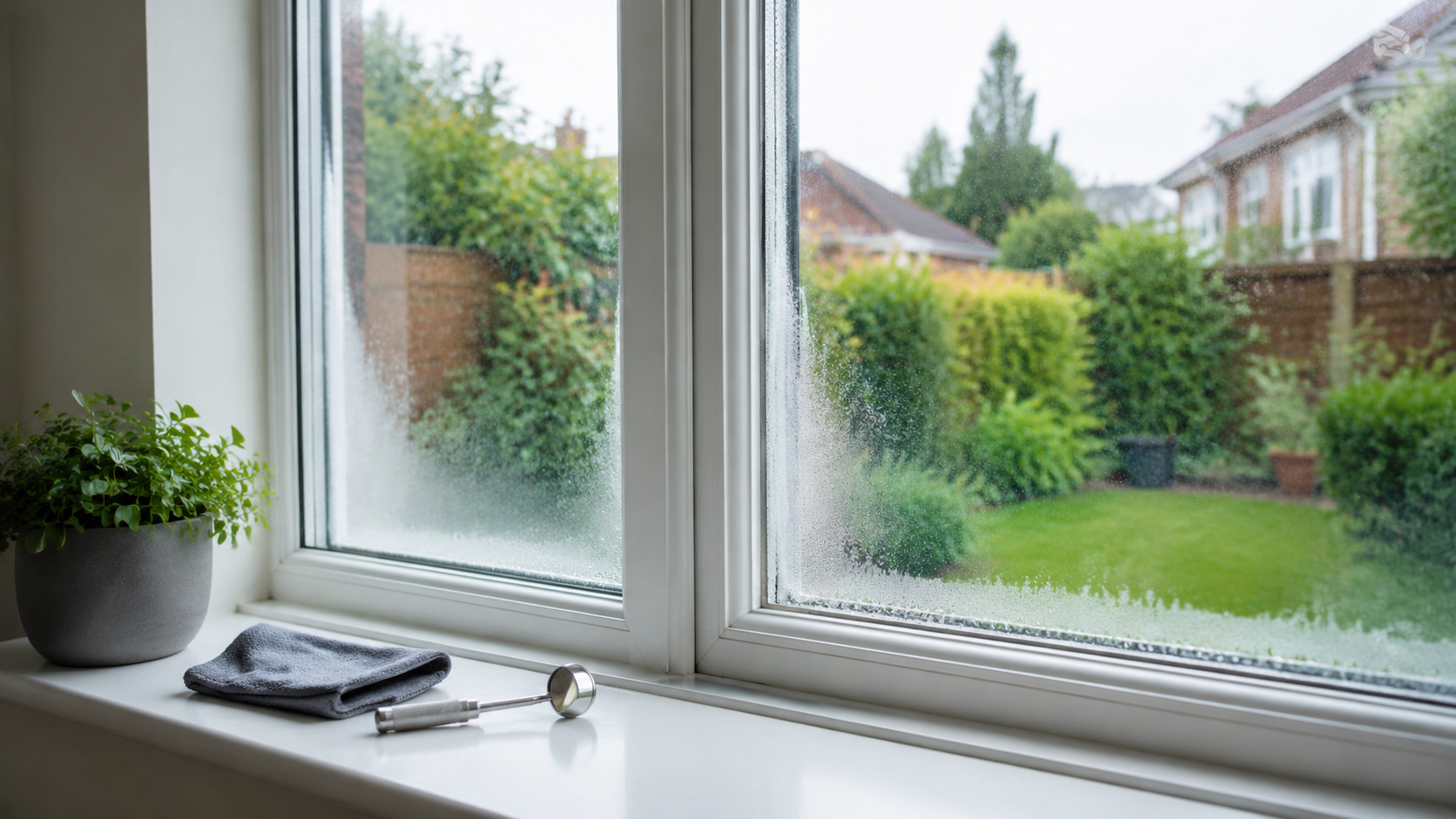
Condensation can occur for several different reasons. Moisture on the room-side surface of the glass can be associated with indoor humidity, while misting or condensation between panes of double glazing can indicate that a sealed glass unit has failed.
These are very different problems and may require very different solutions.
Sticking Openings
A window that is difficult to open or close could have worn hinges, movement in the frame, a problem with the locking mechanism or an issue with alignment.
Broken Handles
A damaged or loose handle is usually a component problem rather than a reason to replace the complete window. In many cases, a replacement handle can restore normal operation.
Faulty Locks
Locks can become worn, damaged or difficult to operate over time. Depending on the design and condition of the window, the locking mechanism may be repairable or replaceable.
Cracked Glass
Cracked glass is an obvious problem, but it does not necessarily mean that the entire window needs replacing. Where the frame remains sound, the glass unit may be replaced independently.
Frame Damage
Frame damage requires closer attention. Minor wear or localised deterioration may be manageable, whereas significant distortion, structural deterioration or widespread damage can make full replacement more appropriate.
Problems That Can Often Be Repaired
One of the main advantages of having a professional assessment is that you may discover that the existing window still has plenty of useful life left in it.
Depending on the type and condition of the window, common repairs include:
Replacing sealed glass units.
If double glazing has failed and become misted between the panes, the sealed unit can often be replaced without removing the entire frame.
Adjusting or replacing hinges.
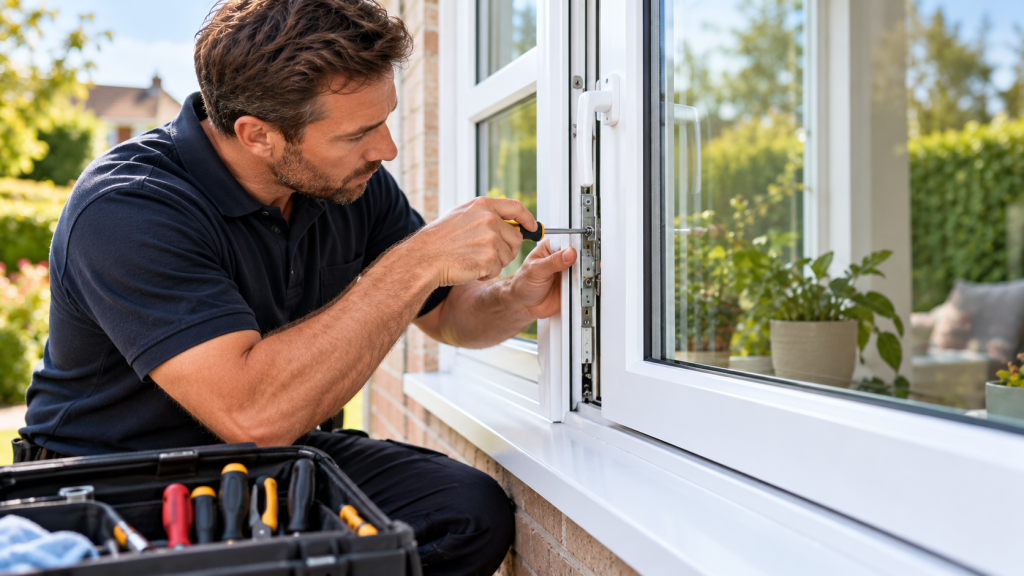
Poor alignment, difficulty opening and closing, or gaps around the window can sometimes be addressed by adjusting or replacing worn hinges.
Installing new handles and locks.
Damaged hardware can often be replaced independently, restoring both usability and security.
Replacing worn seals.
Perished or damaged seals can contribute to draughts and poor weather resistance. Replacing them may improve the performance of an otherwise serviceable window.
Clearing drainage channels.
Windows are designed to manage small amounts of water through drainage channels. When these become blocked with dirt or debris, water may not drain as intended. Cleaning and clearing the channels can be a simple but worthwhile repair.
The key point is that a window should be assessed as a complete system before deciding that replacement is necessary.
Signs Complete Replacement May Be More Sensible
Repair is not always the best option. There are situations where investing in a new window is likely to make more sense over the longer term.
Extensive Frame Distortion
If the frame has become significantly distorted, repairs to individual components may not solve the underlying issue. A window that is badly out of shape may continue to cause problems even after other parts have been replaced.
Repeated Sealed-Unit Failures
Replacing one failed glass unit can be perfectly sensible. However, if sealed units throughout the property are repeatedly failing, it may be worth considering whether replacing the windows as a whole would provide a more durable solution.
Serious Water Ingress
Persistent water penetration can indicate a more fundamental problem with the window, its frame or surrounding installation. Where the underlying issue cannot be effectively repaired, replacement may be the more practical option.
Very Poor Thermal Performance
Older windows can sometimes offer significantly poorer thermal performance than modern alternatives. If a window is draughty, inefficient and nearing the end of its serviceable life, replacement may provide a more meaningful long-term improvement than carrying out repeated repairs.
Widespread Deterioration
If several parts of the window are failing at the same time, the cost of repeated repairs can begin to outweigh the benefits of keeping it.
The Window No Longer Meets Your Needs
Sometimes the issue is not that the window is damaged, but that it no longer suits the property. Homeowners may want improved ventilation, better security, easier operation, improved energy efficiency or a different appearance.
Repair vs Replacement: What Should You Consider?
There is no single answer that applies to every property. A useful way to compare the two options is to look at the bigger picture.
| Consideration | Repair | Replacement |
| Initial cost | Usually lower | Usually higher |
| Expected lifespan | Depends on existing window and repair | New components and frames can offer a fresh service life |
| Energy efficiency | Can improve performance where the fault is component-related | May offer a more substantial improvement where existing windows are inefficient |
| Security | New locks and hardware can improve security | New windows can provide a complete modern hardware system |
| Appearance | Retains the existing window | Provides an opportunity to update the appearance |
| Disruption | Generally less | Greater, as the existing window is removed and a new one installed |
The cheapest option initially is not always the best value over several years. Equally, replacing a perfectly serviceable window simply because one component has failed may be an unnecessary expense.
The decision should consider both the immediate problem and the expected performance of the window in the future.
Should Every Window Be Replaced At The Same Time?
Not necessarily.
If some windows are in good condition while others are draughty, damaged or performing poorly, there is no universal requirement to replace everything at once.
Phased replacement can be a sensible approach. Homeowners may choose to prioritise the windows that are causing the biggest problems, such as those in frequently used rooms or on exposed elevations.
For example, replacing the worst-performing windows first can address the most immediate problems while spreading the cost of further work over time.
A professional assessment can help determine which windows genuinely need attention and which can continue to be maintained.
The Questions To Ask Before Making A Decision
Before agreeing to a repair or replacement, it is worth asking a few straightforward questions:
Is the fault limited to one component?
If the frame is sound but a handle, hinge, seal, lock or glass unit has failed, a repair may be all that is needed.
Is the frame structurally sound?
The condition of the frame is one of the most important factors when deciding whether continued repairs make sense.
Has the problem happened before?
A one-off repair is very different from repeatedly paying to fix the same issue.
Would replacement deliver a meaningful improvement?
Consider whether new windows would provide noticeable benefits in terms of comfort, efficiency, security, appearance or ease of use.
How A Professional Window Assessment Works
A professional window assessment should begin with the problem you have noticed, but it should not stop there.
The condition of the frame, glass, hinges, handles, locks, seals and drainage should all be considered. The way the window operates and closes should also be checked, along with any visible signs of draughts, water ingress, deterioration or damage.
The purpose of a good assessment is not simply to identify what is broken. It is to establish why it has failed and whether repairing it represents a sensible long-term solution.
In some cases, the recommendation may be a straightforward repair. In others, replacement may be more appropriate. The important thing is that the recommendation is based on the condition of the window rather than assuming that every problem requires a new installation.
Frequently Asked Questions
Can old windows usually be repaired?
Many older windows can be repaired, provided the main frame and surrounding structure remain in reasonable condition. Common repairs include replacing glass units, handles, hinges, locks and seals.
Is condensation between double-glazed panes a reason to replace the whole window?
Not necessarily. If the frame is in good condition, the failed sealed glass unit may be replaceable without replacing the complete window.
Are draughty windows always a sign that they need replacing?
No. Draughts can be caused by worn seals, poor alignment, damaged hardware or other relatively localised problems. An assessment can establish the cause before replacement is considered.
Is replacing a broken window handle worthwhile?
Often, yes. Handles are individual components and can frequently be replaced without replacing the rest of the window.
When is window replacement usually more appropriate?
Replacement can become more sensible where the frame is badly damaged or distorted, problems are recurring, there is serious water ingress, performance is very poor or multiple components are deteriorating at the same time.
Can I replace windows one at a time?
Yes. Phased replacement can be a practical option, particularly when some windows are performing well and others require more urgent attention.
Will repairing an old window make it more energy efficient?
It can, depending on the cause of the problem. Replacing damaged seals, correcting alignment or replacing a failed glass unit may improve the window’s performance.
How do I know whether repair or replacement is better value?
The answer depends on the condition of the existing window, the repair required, the likely lifespan after repair and the benefits that a replacement would provide. Looking only at the initial price can give an incomplete picture.
Repair Where Practical, Replace Where Necessary
A problem with an old window does not automatically mean that the whole window has failed. In many cases, a relatively straightforward repair can restore performance and extend the useful life of an existing window.
At the same time, there are circumstances where continued repairs no longer make financial or practical sense. The important thing is to distinguish between the two.
Rather than automatically replacing every window that develops a fault, consider arranging an honest repair-or-replace assessment. A professional can examine the condition of the window, identify the underlying problem and explain whether repair or replacement is likely to be the more sensible option.
That approach allows you to make a decision based on the actual condition of your windows — not simply on the fact that they are old.
Categories: Uncategorised