The Best Windows For Reducing Traffic And Neighbourhood Noise
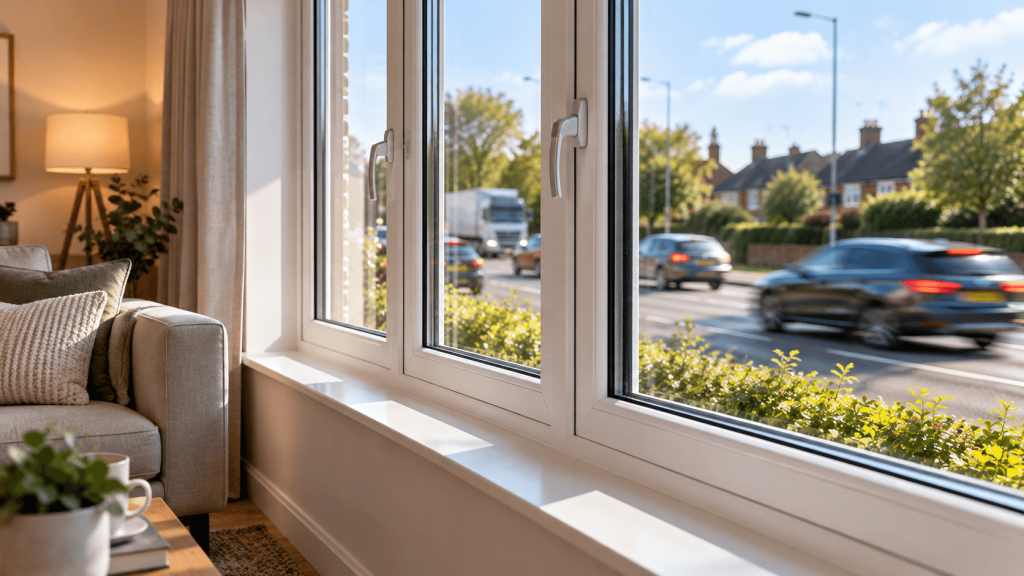
Traffic, aircraft, noisy neighbours and activity outside your home can be disruptive to daily life. Windows are often a key route for external noise, particularly in properties with older glazing, worn seals or poorly fitted frames.
Choosing the right replacement windows can reduce noise entering your home. Acoustic glazing, effective seals and correct installation all contribute to better sound insulation. However, no window can eliminate every sound, and the results depend on the type of noise and how it travels through the building.
For homeowners in Milton Keynes, selecting windows suited to their property and surroundings can help reduce noise from busy roads, nearby developments and residential activity.
Let’s take a closer look.
How Noise Gets Through A Window
Sound travels through the air as vibrations. When these vibrations reach a window, they can cause the glass to vibrate and transfer sound indoors. The amount of noise transmitted depends on the glazing, frame design and frequency of the sound.
Gaps and damaged seals can make the problem worse. If a window doesn’t close properly or has worn weatherstripping, sound can pass through openings around the frame. Poorly sealed joints between the window frame and the surrounding wall can also reduce acoustic performance.
Trickle vents are another potential source of noise, particularly if they aren’t designed to limit sound transmission. This means replacing the glass alone may not provide the improvement you expect. The frame, seals, ventilation and installation all need to be considered.
What Is Acoustic Glazing?
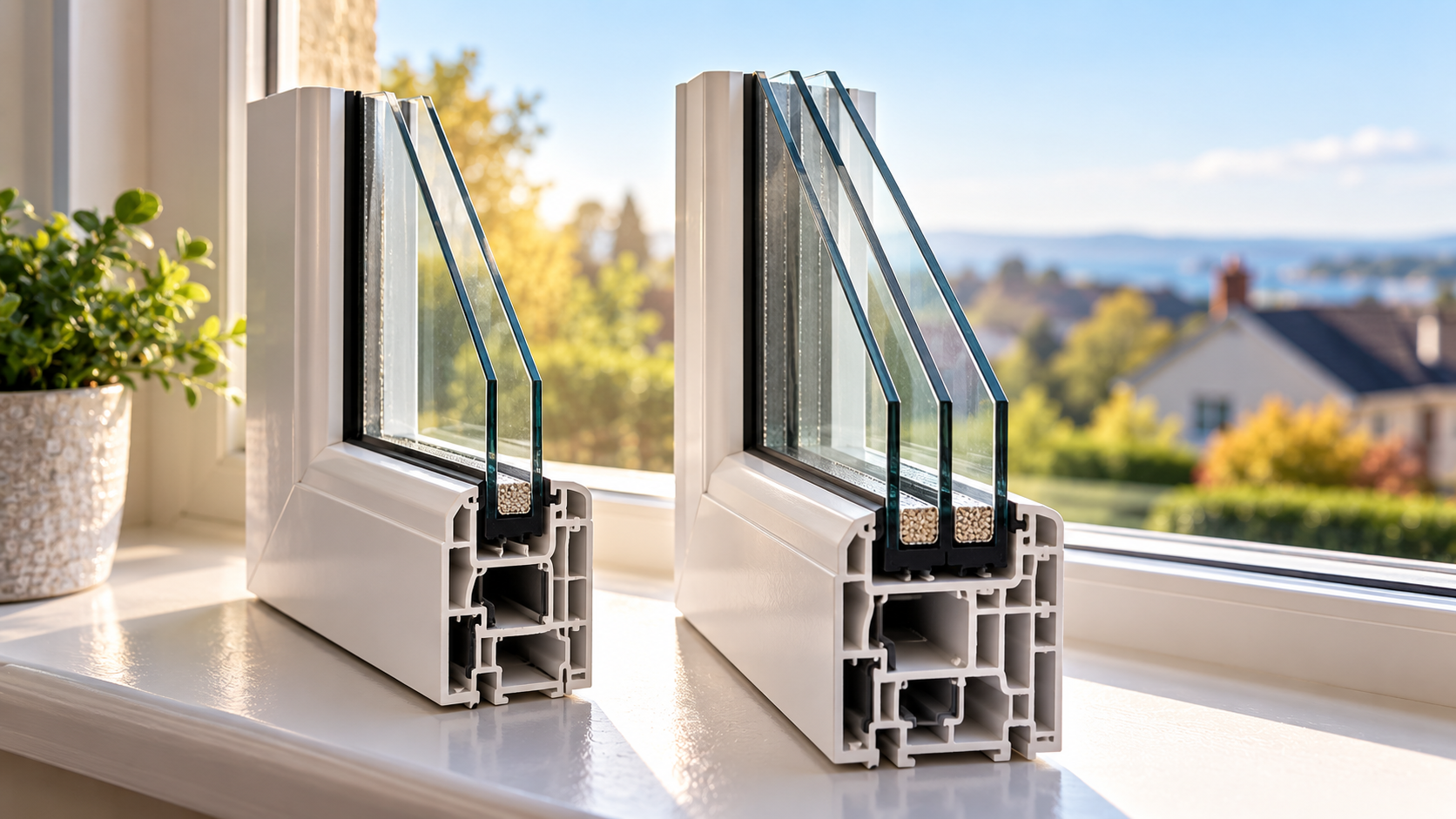
Acoustic glazing is designed to reduce sound transmission through a window. It often incorporates laminated glass, which uses a specialist interlayer between glass sheets to help dampen vibrations.
Glass thickness also affects performance. Using panes of different thicknesses can reduce sound transmission across a wider range of frequencies than using identical panes. The width and design of the cavity between panes also influence the overall result.
Acoustic glazing can be useful for homes exposed to regular road traffic, aircraft noise or nearby commercial activity. When comparing products, ask for tested acoustic performance figures, such as the weighted sound reduction index (Rw). These figures help you compare products, although real-world results will also depend on the installation and surrounding building structure.
Is Triple Glazing Best For Noise Reduction?
Triple glazing is commonly chosen to improve thermal insulation, but an additional pane doesn’t automatically provide better noise reduction.
Acoustic performance depends on the thickness of the glass, laminated layers, cavity dimensions and quality of the seals. A well-designed acoustic double-glazed unit may perform better against certain sounds than standard triple glazing.
Triple glazing can still be worth considering if thermal efficiency is also a priority. The best option depends on the noise affecting your property, your insulation requirements and the specifications of the complete window system.
Choosing The Right Window Style
Window design affects how tightly the opening sections seal against the frame. Casement windows use compression seals that press together when the window closes. When correctly fitted and adjusted, this design can help limit noise entering through gaps.
Sliding sash windows can also provide effective sound insulation, but their performance depends on the design and condition of the seals. Also, older sash windows with loose-fitting sections may allow more noise through.
Tilt-and-turn windows can offer good acoustic performance when their locking mechanisms pull the sash firmly against the seals. Fixed glazing may also be effective because it has no opening joints.
Whatever style you choose, the window must close securely and maintain consistent contact with its seals. High-performance glass cannot compensate for gaps around the frame.
The Role Of Frames, Seals And Installation
The frame and installation are just as important as the glazing specification. A window with acoustic glass may still allow considerable noise through if it is poorly fitted or the surrounding joints aren’t properly sealed.
Frames should be correctly aligned, securely installed and sealed around their perimeter using suitable materials. Opening sections must close evenly, and seals should make consistent contact along the edges.
If your existing frames are warped, damaged or difficult to seal, replacing the complete window may be more effective than upgrading the glass alone. An assessment can help establish whether the frames remain suitable for reuse.
How To Balance Noise Reduction And Ventilation
Reducing noise shouldn’t come at the expense of adequate ventilation. Homes need a suitable supply of fresh air to help manage moisture and maintain indoor air quality.
Acoustic trickle vents are designed to provide ventilation while limiting sound transmission. Their effectiveness varies, so it’s worth discussing the available options with your installer.
Avoid blocking ventilation openings or sealing gaps without considering the consequences. A suitable ventilation arrangement can help maintain indoor air quality while reducing unnecessary noise entry.
Other Ways To Reduce Noise
Windows aren’t the only route through which sound enters a property. Heavy curtains can absorb some sound within a room, but they won’t provide the same barrier as properly specified acoustic glazing.
Secondary glazing is another option, particularly where existing windows are in reasonable condition or replacing them isn’t practical. It adds an internal pane and an air gap, which can improve sound insulation when the system is appropriately designed and fitted.
Fencing and dense planting may help reduce the perception of outdoor noise in some settings, although their effectiveness depends on their height, density and position. Room layout can also make a difference; where possible, placing bedrooms away from busy roads may improve comfort.
If noise travels through walls, ceilings or the roof, insulation improvements may also be worth investigating. The most suitable approach depends on how sound is entering the property.
What To Ask A Window Installer
Before choosing replacement windows, ask the installer for tested acoustic performance figures and a clear explanation of the proposed glass specification. Find out whether the glazing includes laminated glass, how the pane thickness differs and how the cavities are designed.
You should also discuss the installation method, frame condition and perimeter sealing. Ask how ventilation will be maintained and whether acoustic vents are available where required.
A professional assessment should consider the source of the noise and the construction of your home, rather than recommending the same glazing solution for every property.
Frequently Asked Questions
Do Acoustic Windows Block All Traffic Noise?
No. Acoustic windows can reduce external noise, but they won’t eliminate every sound. The result depends on the glazing, installation and whether noise also travels through walls, roofs or ventilation openings.
Is Double Or Triple Glazing Better For Noise Reduction?
Neither is always better. Acoustic double glazing with suitable glass thicknesses and laminated layers may outperform standard triple glazing for particular noise frequencies. Compare tested acoustic performance figures before making a decision.
Can New Windows Reduce Noise From Neighbours?
Yes, if sound is entering primarily through the windows. However, noise can also travel through walls, floors and ceilings, so the source should be identified before choosing a solution.
Protect Your Peace With Acoustic Glazing
The most suitable windows for reducing traffic and neighbourhood noise combine appropriate acoustic glazing, effective seals and professional installation. The right specification depends on the noise affecting your home, the condition of your existing windows and your ventilation requirements.
If you’re based in Milton Keynes and want to reduce noise entering your property, arrange an assessment to discuss the available options. A professional can help identify potential weak points and recommend a window solution suited to your home.
Categories: Uncategorised