How To Create A Year-Round Entertaining Space With Glazing Choices And Smart Design
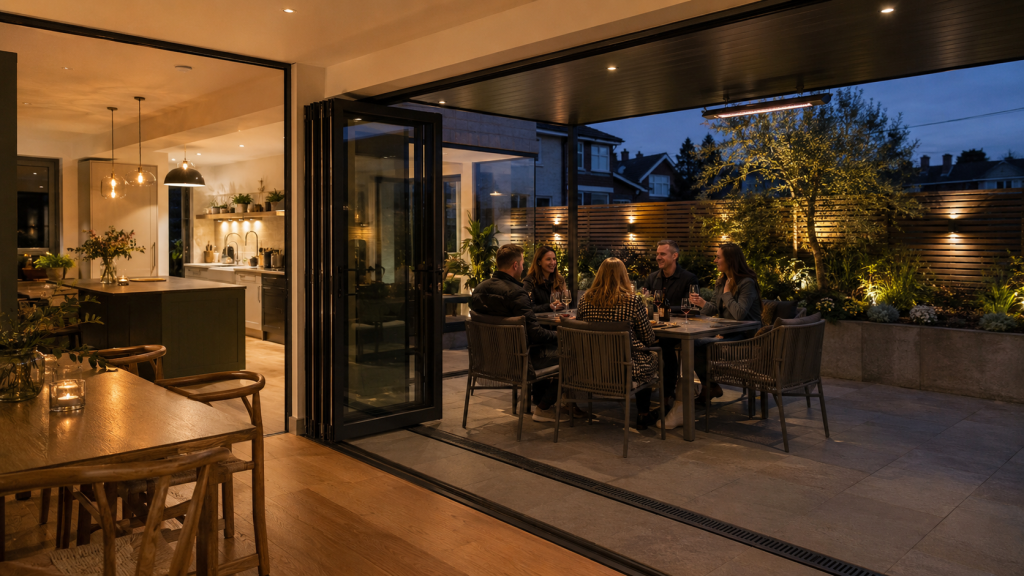
A good entertaining space should not only work on the warmest days of summer. With the right combination of glazing, heating, lighting and careful layout planning, it is possible to create an area that feels comfortable and welcoming throughout the year.
For some homes, this might mean opening the kitchen onto the garden with bifold or sliding doors. For others, it could involve improving an existing conservatory, adding an orangery or creating a sheltered patio that feels like a natural extension of the house.
The key is to think beyond one individual feature. Wide areas of glazing can bring in natural light and create a stronger connection to the garden, but the room must also be warm enough in winter, protected from poor weather and practical after dark.
By considering these details together, you can create an entertaining space that works for relaxed family meals, summer barbecues, birthday celebrations and evenings with friends—whatever the British weather decides to do.
Create Indoor-Outdoor Entertaining Zones
One of the most effective ways to improve an entertaining area is to create a clear relationship between the inside of the home and the garden.
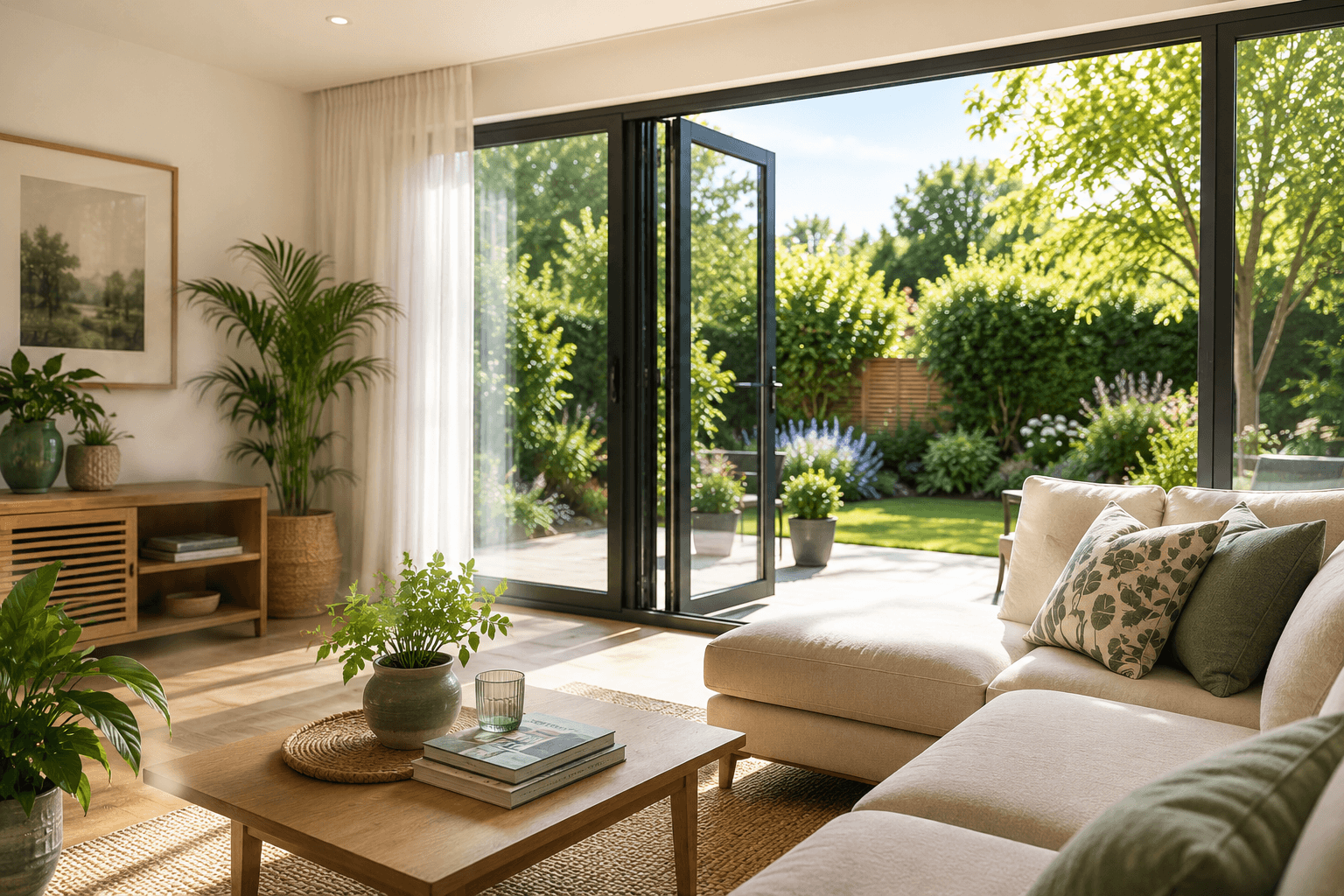
Large glazed doors can transform a solid external wall into a wide view of the garden. When the doors are closed, the room still benefits from natural light and a sense of openness. When they are opened, guests can move more freely between the house and the patio.
Several types of doors can be used to create this connection.
Bifold doors fold neatly to one or both sides, allowing most of the opening to be cleared. They work particularly well where the aim is to create one large space for parties and summer entertaining.
Sliding patio doors do not require panels to fold into the room or garden, making them a useful option where space is limited. Modern designs can provide broad areas of glass with relatively slim frames, giving you an uninterrupted view throughout the year.
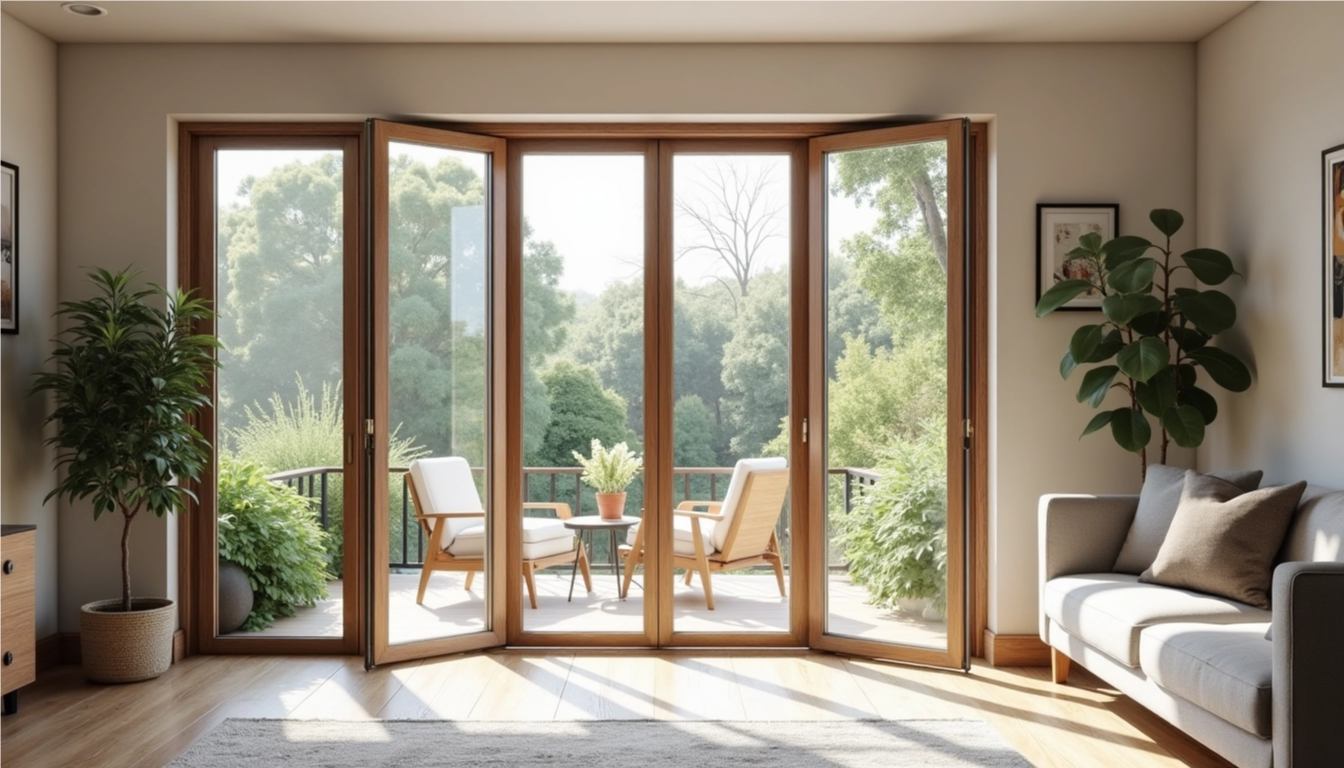
French doors create a more traditional appearance and can suit smaller openings, period properties or homes where a completely open wall is not required.
The best option will depend on the available space, the style of the property and how often you expect the doors to be opened fully.
Flooring also plays an important role. Using similar colours or materials inside and outside can make the two areas feel more connected. The surfaces do not need to be identical, but a consistent style can help the eye travel from one zone to the next.
If you are planning a low or level threshold, drainage must be considered carefully. Rainwater needs to be directed away from the doors, while the external surface should be durable and slip-resistant.
Choose Glazing That Works Throughout The Year
The amount and type of glazing will affect how the space looks and feels in every season.
Large windows and glazed doors can fill a room with natural light during the shorter days of autumn and winter. They can also reduce the sense of separation between the house and garden when it is too cold or wet to sit outside.
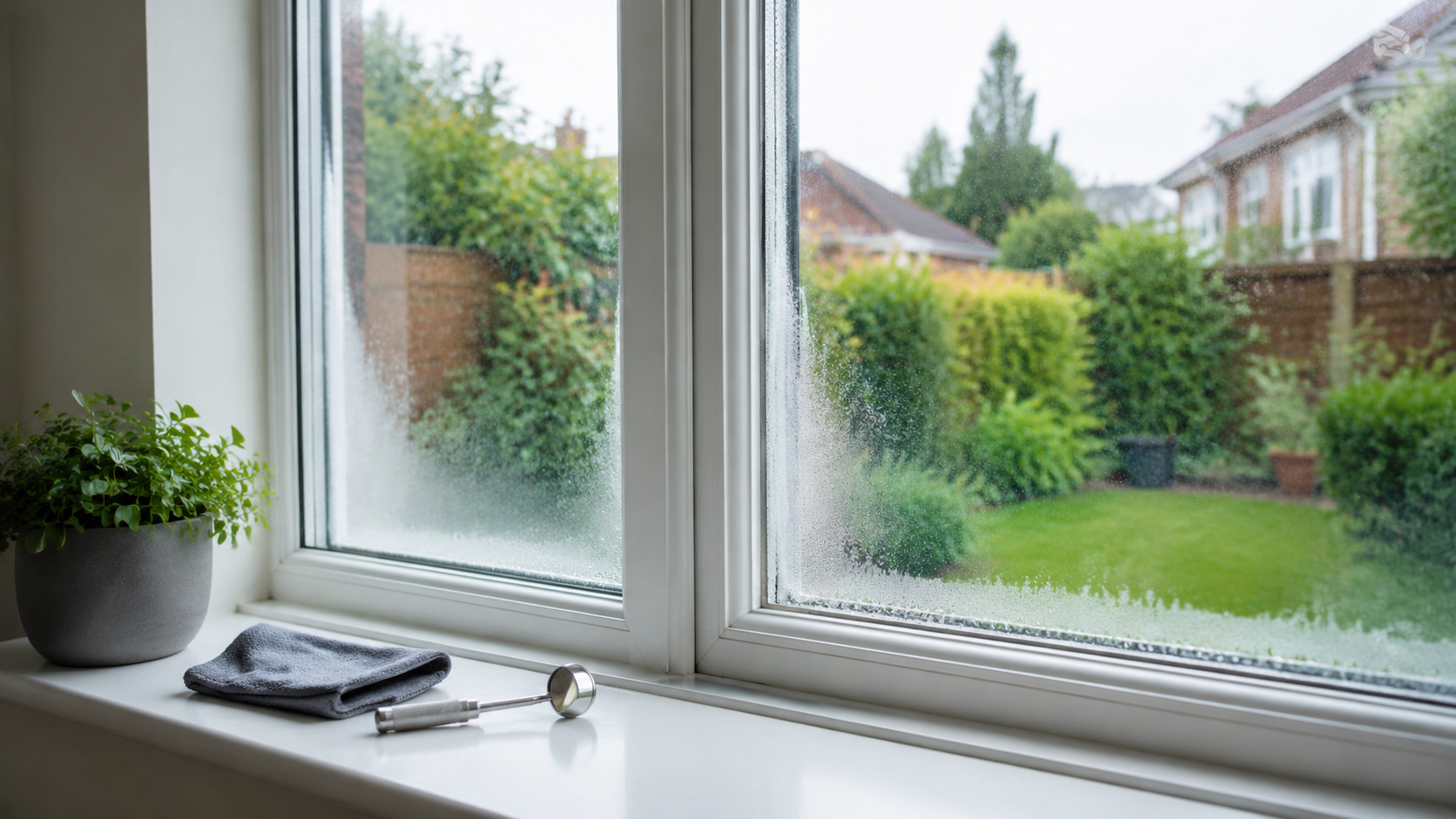
However, the glass should provide an appropriate level of thermal performance. Modern double glazing is designed to reduce heat transfer, helping the room retain warmth more effectively than older single-glazed or poorly performing units.
The direction the room faces should also influence your choices. A south- or west-facing entertaining area may receive strong afternoon sun and could become uncomfortable during warmer weather. Solar-control glazing, suitable blinds, external shading or a combination of these features can help manage heat and glare.
North-facing rooms generally receive less direct sunlight, so maximising the glazed area may help them feel brighter. Rooflights, lanterns or high-level windows can introduce daylight from above where suitable wall space is limited.
It is about finding the right balance. The room should feel light and open without becoming difficult to heat in winter or excessively warm in summer.
Plan The Heating Before Winter Arrives
Heating is essential if you want to use an entertaining space beyond the summer months.
Inside the home, underfloor heating can provide consistent warmth without taking up wall space. This can be especially useful in rooms with large glazed doors, where conventional radiators may limit furniture placement.
Modern radiators or trench heating near glazed areas may also help offset the cooler sensation sometimes experienced beside large windows during winter.
For a sheltered outdoor space, infrared heaters can be a practical option. Rather than attempting to warm all the surrounding air, infrared heaters direct warmth towards people and surfaces within a defined area. This makes them useful above seating or dining zones.
Electric patio heaters can also extend the time you spend outdoors during cooler evenings. Their position should be considered at the design stage so that cables do not cross walkways and the heater can be installed at the correct height and distance from furniture.
Any heater must be suitable for its intended location and installed according to the manufacturer’s instructions. Outdoor gas heaters should never be used in fully enclosed spaces, and adequate ventilation must always be maintained.
It is usually better to heat the areas where people will sit rather than trying to warm an entire garden. Dividing the space into smaller zones can make heating more effective and economical.
Build In Protection From The Weather
A year-round entertaining area needs to cope with more than low temperatures. Wind, rain and intense summer sunshine can all make an otherwise attractive space uncomfortable.
A fixed canopy, retractable awning or covered pergola can protect an outdoor dining area from light rain and provide shade during warmer weather. Retractable designs offer more flexibility, allowing you to open the area to the sun when conditions are suitable.
The direction of the prevailing wind is also worth considering. A beautiful patio can quickly become unpleasant if it is exposed to strong gusts. Glazed windbreaks, fences, walls or carefully positioned planting can provide shelter without making the garden feel completely enclosed.
If you use glass as a windbreak, it should be appropriate safety glass and professionally installed.
Good drainage is equally important. Patios should direct water away from the house, doors and seating areas. Gutters and channels must remain clear, and any canopy should send rainwater towards a suitable drainage point rather than allowing it to fall directly in front of the doors.
Outdoor furniture, lighting and electrical fittings should also be designed for exterior use. Weather-resistant storage nearby provides somewhere to keep cushions and blankets when they are not needed.
These details may seem small, but they often determine how frequently the space is used.
Plan The Layout Around How You Entertain
Before choosing furniture or doors, think about what you want the space to do.
If you regularly host meals, the dining table may be the main feature. It should be positioned where guests can move around it comfortably without blocking access to the kitchen or garden.
If entertaining is more informal, you might prefer a combination of lounge seating, occasional tables and moveable chairs. Flexible furniture allows you to adapt the space for different numbers of guests.
Consider the journey between the kitchen, dining area and outside cooking space. Food and drinks should be easy to carry between these areas without people having to navigate around furniture or cross a busy doorway.
The location of the doors can have a major effect on this movement. A wide opening is useful, but it should not lead directly into the back of a sofa or the centre of the dining table. There should be a clear route from inside to outside, even when the space is busy.
It can help to divide a larger area into zones:
- A preparation and serving area close to the kitchen
- A main dining area
- A comfortable seating area for conversation
- A sheltered outdoor cooking space
- An open area where guests can move between the house and garden
These zones can overlap, but each should have a clear purpose.
Make sure there is enough space for doors to operate properly. Bifold panels require room to fold, French doors need a clear opening arc, and sliding doors need sufficient frame space for the panels to move.
Use Layered Lighting
Natural light is one of the main benefits of adding larger windows or glazed doors, but the space must also work after sunset.
Relying on a single bright ceiling light can make an entertaining area feel flat and uninviting. A layered lighting plan allows you to change the atmosphere depending on the occasion.
General lighting provides enough illumination for people to move safely around the room. This might come from ceiling lights, wall lights or recessed fittings.
Task lighting should be added where specific activities take place. Pendant lights above a dining table, worktop lighting near a serving area and focused lighting around an outdoor kitchen can all make the space more practical.
Accent lighting creates atmosphere. This could include lamps, lights inside shelving, subtle uplighting around plants or low-level garden lights that draw attention towards the view.
Outdoor paths, steps and changes in level should be illuminated for safety. Careful positioning is important because lights that shine directly towards the glass can create strong reflections and make it harder to see the garden at night.
Separate controls and dimmers provide greater flexibility. You can use brighter lighting while serving food and then lower it later in the evening.
Think About Acoustics
Rooms with large areas of glass, hard flooring and minimal furnishings can sometimes feel noisy. Sound reflects from hard surfaces, which can make conversation difficult when several people are talking at once.
Soft furnishings can help absorb some of this sound. Curtains, upholstered chairs, rugs, cushions and fabric blinds all contribute to a more comfortable acoustic environment.
In an open-plan kitchen and entertaining space, acoustic wall panels or decorative fabric features may also be useful. These do not have to look industrial; many are designed to blend into residential interiors.
The layout can make a difference too. Positioning a television or speakers so sound is directed into the room, rather than towards the glazed doors, can reduce reflections.
Outdoor noise should also be considered. If the property is close to a busy road, suitable glazing and well-fitted frames can help reduce the amount of external sound entering while the windows and doors are closed.
When the doors are open, sound from inside will travel into the garden more easily. Keeping speakers away from neighbouring boundaries and directing them towards the house can help minimise disturbance.
Create Privacy Without Losing Natural Light
Large areas of glazing can make a home feel open and spacious, but they may also affect privacy—particularly in overlooked gardens or properties close to neighbouring homes.
The aim should be to create screening where it is needed without blocking all the daylight.
Blinds are one of the most flexible solutions. They can be closed completely, tilted to redirect views or partially lowered while still allowing light into the room. Integral blinds, fitted within the glazed unit, can provide privacy without requiring exposed cords or additional cleaning.
Sheer curtains and lightweight blinds soften the view from outside during the day while retaining much of the natural light. Heavier curtains can then provide greater privacy and insulation in the evening.
Obscure or patterned glass may be useful in side panels, lower panes or windows facing a neighbouring property. By limiting it to selected areas, you can protect privacy without losing the wider view of the garden.
Outside, slatted screens, trellis, pergolas and planting can provide another layer of separation. A well-positioned tree or tall planter may block a direct sightline without enclosing the entire patio.
High-level windows and roof glazing are also effective ways to introduce daylight while reducing overlooking.
Avoid relying entirely on reflective or mirrored glass for privacy. Its effectiveness depends on the lighting conditions and can be reduced at night when the interior is brighter than the outside.
Bring The Whole Space Together
The most successful year-round entertaining spaces are designed as a complete environment. Glazing, heating, lighting, furniture, shelter and privacy should work together rather than being selected separately.
Start by deciding how you want to use the area and how many people it should accommodate. You can then choose the windows, doors and layout that support those plans.
Large bifold or sliding doors can create a striking indoor-outdoor connection, while French doors may offer a more traditional solution. Energy-efficient glazing helps make the room comfortable throughout the year, and thoughtful heating, shading and weather protection allow you to use more of the space in different conditions.
At Window Pains MK, we supply and install a wide selection of windows, doors and glazed home improvements for properties throughout Milton Keynes and the surrounding areas. We can help you compare different styles, consider how they will work within your home and find a solution that suits both the property and the way you like to entertain.
So, if you’re planning a brighter kitchen, a more welcoming conservatory or a complete indoor-outdoor entertaining area, contact Window Pains MK to discuss your ideas and request a quote.
Categories: Uncategorised