
Why Do Double-Glazed Windows Mist Up—And Can They Be Repaired?
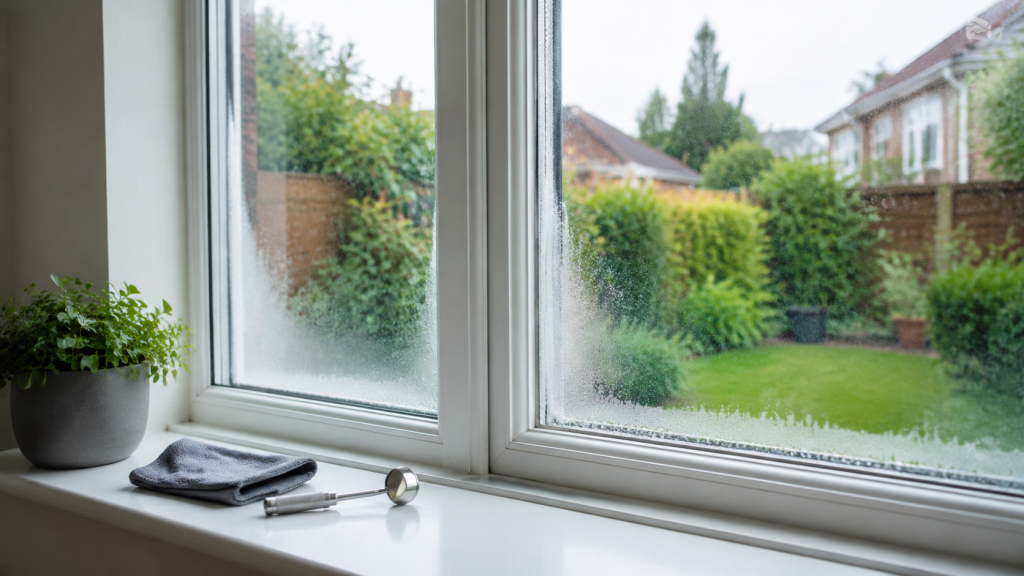
Misted double glazing is a familiar problem in homes of all ages. A window that was once perfectly clear may begin to look cloudy, foggy or streaked, making the room feel dull and spoiling the view outside.
The first thing to establish is where the condensation is forming. Moisture on the room-facing surface of the glass is very different from moisture trapped between the two panes.
If the misting is between the panes and cannot be wiped away from either side, it usually means that the sealed glass unit has failed. This is sometimes described as a “blown” double-glazed unit.
Although this can affect the appearance and performance of the window, it does not necessarily mean that the complete window needs replacing. In many cases, the failed glass unit can be removed and replaced while the existing frame remains in place.
Where Is The Condensation Forming?
Not all condensation is caused by a fault with the window. Before arranging a repair, look carefully at where the moisture is appearing.
Condensation on the inside of the window
Condensation on the internal surface of a window is generally caused by warm, moisture-filled air meeting cold glass.
Everyday activities such as cooking, showering, drying clothes indoors and even breathing add moisture to the air. When that air comes into contact with a colder surface, water vapour can turn into visible droplets.
Internal condensation may therefore point to high humidity or insufficient ventilation rather than failed double glazing. Opening trickle vents, using extractor fans and improving airflow can often help.
However, regular or heavy condensation should not be ignored. Over time, it can contribute to mould, damaged decoration and deterioration around the window.
Condensation on the outside of the window
External condensation forms on the outdoor surface of the glass. It is most common during cool, still mornings when the temperature of the outer pane falls below the dew point.
While it may seem surprising, external condensation can occur because the window is insulating the home effectively. Less heat is escaping through the glass, so the outside pane remains cold enough for moisture to settle on it.
This type of condensation is usually temporary and should disappear as the temperature rises.
Condensation between the panes
Condensation between the panes is the clearest sign of a problem with the sealed unit.
If the glass looks misty but you cannot clean the moisture from either the inside or outside surface, water vapour has entered the space between the panes. This normally means that part of the seal around the glass has deteriorated or failed.
The amount of misting may change with the weather. A window might look relatively clear on one day and become heavily clouded on another. Even if the moisture temporarily disappears, the failure that allowed it to enter is still present.
Why Does Double Glazing Mist Up?
Double-glazed units are designed to remain sealed for many years, but no component lasts forever. Several factors can cause the seals to fail.
Failed perimeter seals
The glass panes in a double-glazed unit are sealed together around their edges. These perimeter seals help prevent moisture from entering the cavity and keep the insulating gas or dry air inside.
Once a seal begins to fail, humid air can enter the space between the panes. As temperatures change, the trapped moisture condenses against the glass and creates the familiar misted appearance.
Age and natural deterioration
Double glazing is exposed to repeated changes in temperature throughout its life. The glass, spacer bars, seals and frames expand and contract as the weather becomes warmer or colder.
Over many years, this repeated movement can gradually weaken the edge seals. Sunlight, rain, frost and general ageing can also affect the materials.
A misted unit does not automatically mean that the original window was poor quality. It may simply have reached the end of its serviceable life.
Poor installation
The lifespan of a sealed unit depends partly on how well it was installed.
If the glass was fitted incorrectly, placed under excessive pressure or insufficiently supported, the seals may deteriorate sooner than expected. Missing or incorrectly positioned glazing blocks can also allow the unit to move within the frame.
Poorly completed installations are one reason misted glass can sometimes appear in relatively modern homes.
Damaged frames or blocked drainage
Window frames are designed to manage rainwater and direct it away through drainage channels. If those channels become blocked, water may remain around the edges of the glass.
Persistent exposure to moisture can place additional strain on the sealed unit. Cracked frames, damaged gaskets or distorted sashes can create similar problems.
Replacing the glass without correcting the cause could allow the same issue to develop again, which is why the surrounding frame should be inspected as part of the repair.
Changes in temperature and pressure
Sealed units experience natural changes in pressure as temperatures rise and fall. These changes are usually harmless, but repeated thermal movement can contribute to the gradual deterioration of an older or already weakened seal.
Large temperature differences, strong sunlight and exposed locations can place additional stress on the unit over time.
What Is A “Blown” Double-Glazed Unit?
A blown unit is simply a double- or triple-glazed unit whose sealed cavity is no longer airtight.
A typical double-glazed unit consists of two panes of glass separated by a spacer bar. The cavity contains dry air or an insulating gas such as argon. A drying material, known as a desiccant, is normally incorporated into the spacer bar to absorb small amounts of residual moisture.
The edges of the unit are sealed to prevent outside air and moisture from entering. When that seal fails, the desiccant may eventually become saturated and condensation begins to appear inside the cavity.
At first, the problem may only cause slight haziness around the edges. Over time, the misting can spread across more of the glass. Deposits may also form on the internal surfaces, leaving permanent marks or streaks.
A failed seal can reduce the window’s insulating performance because the unit is no longer working exactly as intended. It can also reduce natural light and make an otherwise well-maintained home look tired.
Can Misted Double Glazing Be Repaired?
In many cases, yes. However, the correct repair usually involves replacing the sealed glass unit rather than trying to reseal or clean the existing one.
Replacing the glass while retaining the frame
If the window frame is still secure, correctly fitted and in good condition, the failed glass unit can often be removed and replaced.
A new sealed unit is manufactured to fit the existing frame. The glazing beads are carefully removed, the old unit is taken out and the replacement is installed with the correct supports and seals.
This approach restores clear glass and the intended insulating cavity without the cost or disruption of replacing the entire window.
It is also possible to specify modern glazing features where appropriate, such as low-emissivity glass, warm-edge spacer bars, safety glass or decorative designs.
Repairing seals, hinges and drainage
The sealed glass may not be the window’s only problem. Damaged gaskets, loose hinges, blocked drainage channels or an incorrectly aligned opening sash can all contribute to water ingress or movement.
These components should be checked when the window is assessed. Repairing them can help the replacement glass perform properly and may extend the useful life of the complete window.
However, fitting a new external gasket or applying sealant around the frame will not usually reverse a failure inside an already misted sealed unit. The failed glass unit itself will still need attention.
When the frame also needs replacing
Replacing only the glass is not always the best solution.
A complete replacement may be more appropriate if the frame is cracked, badly distorted, insecure or extensively deteriorated. Older windows may also have several faults, outdated locking systems or poor overall energy performance.
Timber frames should be checked for significant rot, while uPVC and aluminium frames should be inspected for movement, damage and failed joints.
A professional assessment should establish whether the frame has years of useful life remaining or whether replacing the whole window would provide better long-term value.
Why moisture-removal treatments may not be enough
Some treatments involve drilling small holes into the glass, removing moisture and installing vents or plugs. These methods may improve visibility temporarily, but they do not necessarily recreate the original factory-sealed unit.
They may not restore the insulating gas, repair the original perimeter seal or address faults in the frame. As a result, the misting can return and the thermal performance may remain compromised.
Replacing the failed sealed unit is generally the more complete and dependable repair.
Repairing The Glass vs Replacing The Complete Window
The right option depends on the condition of both the sealed unit and its surrounding frame.
| Consideration | Replacing the sealed glass unit | Replacing the complete window |
| Cost | Usually the less expensive option | Generally costs more because the frame and glass are replaced |
| Disruption | Limited work around the existing frame | More extensive removal and installation work |
| Installation time | Often completed relatively quickly | Usually takes longer and may disturb surrounding finishes |
| Longevity | A durable solution when the existing frame is sound | Better where the frame is damaged, deteriorated or outdated |
| Appearance | Retains the existing frame and overall window style | Allows a completely new design, colour or opening arrangement |
| Energy efficiency | Restores the performance of the failed glass unit | Can improve the performance of the entire window |
| Best suited to | Isolated misting in an otherwise serviceable window | Damaged frames, widespread faults or windows nearing the end of their life |
There is little benefit in removing a perfectly serviceable frame simply because one glass unit has failed. Equally, installing new glass into a badly damaged frame may only postpone a more substantial replacement.
The most cost-effective decision can only be made after both parts of the window have been inspected.
Can Misted Windows Be Prevented?
It is not possible to guarantee that a sealed unit will never fail, particularly as the window ages. However, good installation and sensible maintenance can reduce unnecessary strain on the glass.
Make sure that windows are installed by experienced professionals and that the glass is correctly supported within the frame. The sealed unit should not be forced into an opening or placed under uneven pressure.
Drainage channels and drainage holes should be kept clear of dirt, leaves, insects and other debris. Water should be able to escape freely rather than collecting around the glass.
Avoid drilling into window frames unless you know exactly where the drainage routes and concealed components are located. Take care when painting, cleaning or carrying out building work around the edges of the glass so the gaskets and seals are not damaged.
Opening windows should also be checked if they begin to catch, drop or become difficult to close. Prompt adjustment of the hinges or locking system can prevent unnecessary movement and pressure on the frame and glazing.
When Should You Ask A Professional To Inspect It?
Arrange an inspection if you can see condensation between the panes, especially if it is spreading or repeatedly returning.
You should also seek advice if the misting is accompanied by:
- Cracks or chips in the glass
- Water collecting inside the frame
- Draughts around the window
- Damaged or loose gaskets
- Difficulty opening or closing the window
- A sash that has dropped or become misaligned
- Visible frame movement, distortion or decay
- Several sealed units failing within a short period
A professional can confirm whether the moisture is inside the sealed unit, check the condition of the frame and identify any installation or drainage problems that need correcting.
They can also measure the glass accurately and determine whether the replacement requires toughened glass, laminated glass, patterned glass or another specialist specification.
Frequently Asked Questions
Does misted glass mean the window has lost its insulation?
Misting between the panes indicates that the sealed cavity has failed, so the unit may no longer provide its intended level of thermal performance. The extent of the reduction can vary, but the window should be inspected if you want to restore its appearance and efficiency.
Will the condensation disappear by itself?
The visible condensation may come and go as the temperature and weather change. However, a failed seal will not normally repair itself. Even when the window looks clear, moisture may still be present inside the unit and the misting is likely to return.
Can only one pane be replaced?
A double-glazed unit is manufactured as a sealed assembly. In most situations, the complete glass unit is replaced rather than separating and replacing one individual pane. The window frame can often remain in place, which is where much of the saving comes from.
How long does a replacement sealed unit take to install?
Once the correct replacement unit has been manufactured, a straightforward installation can often be completed in around 30 to 60 minutes. Larger panes, difficult access, damaged frames or specialist glazing may take longer. An installer will be able to give you a more accurate estimate after inspecting the window.
Arrange A Misted Window Assessment In Milton Keynes
Misted double glazing is frustrating, but it does not always call for a completely new window. If the existing frame is still in good condition, replacing the failed sealed unit may be enough to restore the view, improve performance and extend the life of the window.
At Window Pains MK, we take a repair-first approach. We assess the glass, seals, drainage, hinges and frame before recommending the most suitable solution. Where a sound window can be repaired, we will not suggest replacing it unnecessarily.
We can inspect and repair windows throughout Milton Keynes and the surrounding areas, including units that were not originally installed by us.
So, if your double glazing has become cloudy, streaked or misted between the panes, contact Window Pains MK to arrange an assessment. We will identify the cause, explain the available options and help you find a practical, cost-effective solution.
Categories: Uncategorised