The Psychology Of Indoor–Outdoor Living: Why We Crave Connection To Nature
Humans possess an innate desire to connect with the natural world—a principle at the heart of biophilic design. In contemporary architecture and interior design, fostering this connection goes beyond aesthetics; it significantly influences well-being, productivity, and emotional balance.
Thoughtfully designed windows and doors are central to this objective, acting as conduits for light, views, and seamless indoor–outdoor integration. By prioritising these elements, spaces can enhance mental health, support creativity, and create environments that feel simultaneously open and secure.
Biophilic Design Explained
Biophilic design integrates natural elements into the built environment to strengthen human-nature connections. This can include textures, natural materials, and most importantly, views of greenery. Windows and doors play a pivotal role: well-positioned glazing allows occupants to experience daylight, seasonal changes, and outdoor landscapes, fostering a sense of openness and calm.
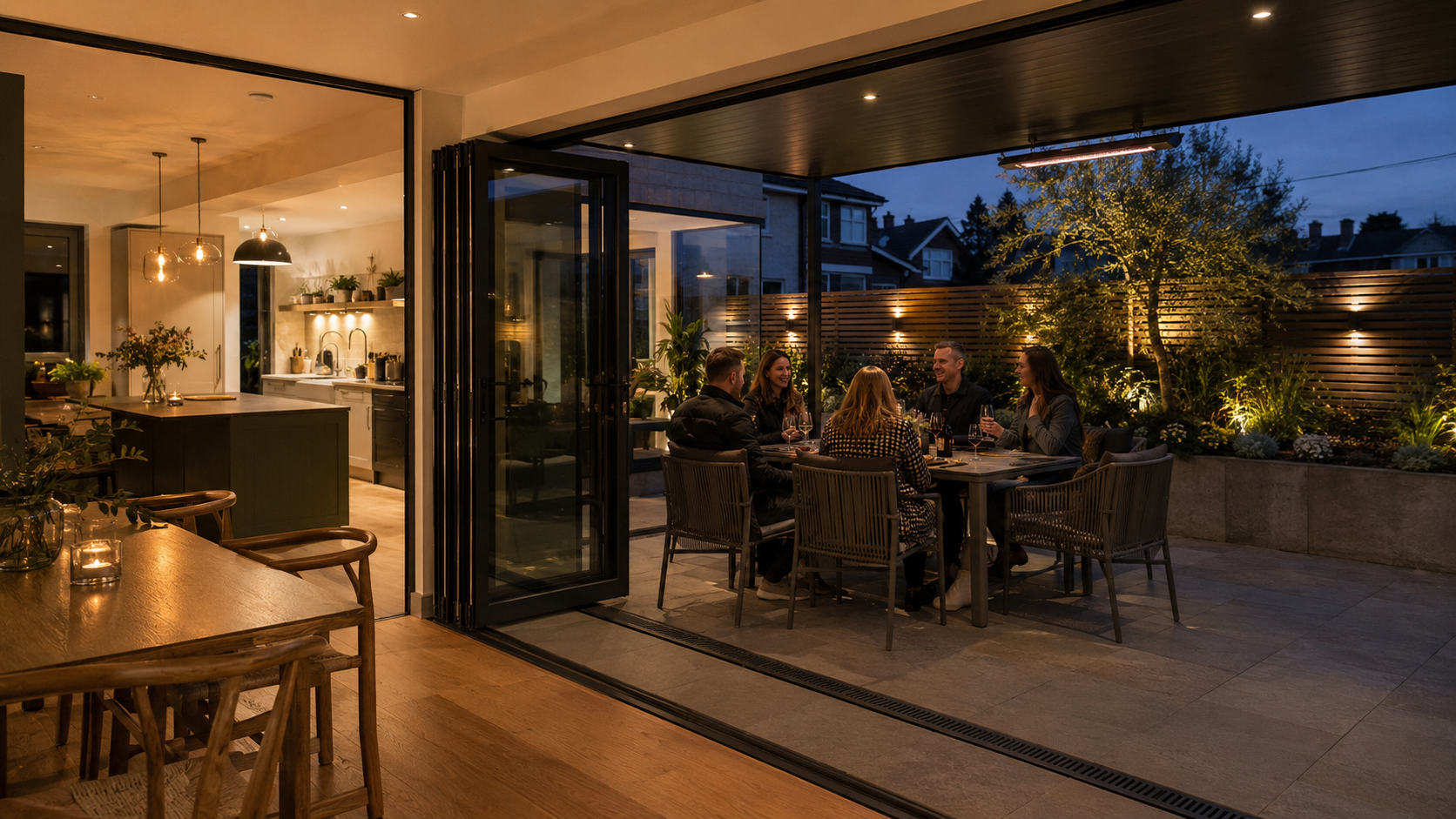
Large sliding doors, floor-to-ceiling windows, or strategically placed skylights transform interiors by bringing in natural light and connecting spaces to gardens, patios, or urban greenery. The goal is not merely visual—it is functional and psychological. By framing views and creating fluid indoor–outdoor transitions, architects and designers enhance mood, promote relaxation, and support a more productive daily routine.
Mental Health Benefits Of Daylight
Natural light is one of the most effective tools for improving mental health. Exposure to daylight regulates circadian rhythms, enhances mood, and promotes cognitive function. Window placement and glazing selection are critical: north-and south-facing windows provide consistent illumination, while skylights and clerestory windows can distribute light deeper into rooms.
Even small adjustments, such as incorporating glass panels above doors or in partitions, significantly increase daylight penetration. Spaces designed with abundant natural light contribute to reduced stress, heightened alertness, and improved overall well-being, making them ideal for living areas, home offices, and educational environments.
How Glazing Impacts Mood And Productivity
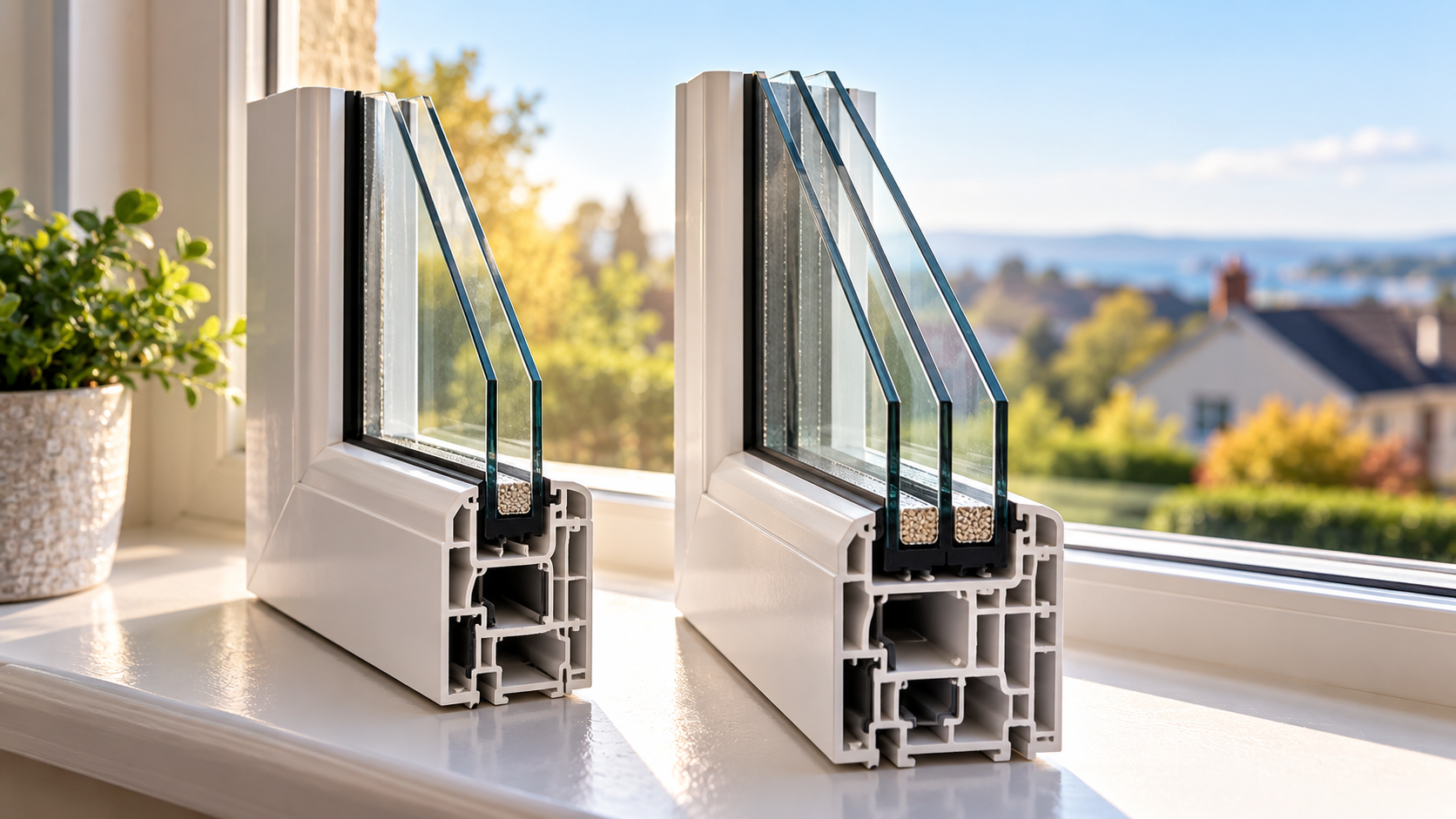
The type and quality of glazing influence comfort, perception, and productivity. Modern solutions like Low-Emissivity (Low-E) Glass allow light to enter while controlling heat and reducing glare. This ensures a comfortable environment for working, studying, or relaxing.
Glazing also shapes the way occupants interact with outdoor views. Large, uninterrupted panels provide expansive vistas, while divided or framed glazing can guide the eye and structure visual experiences. Carefully considered light angles and reflections ensure interiors remain bright and visually stimulating, contributing to a positive atmosphere throughout the year.
Creating Sightlines To Greenery
Sightlines—the clear, unobstructed visual paths through a space—are central to the psychology of indoor–outdoor living. Windows and doors should be positioned to capture trees, gardens, or water features, offering occupants consistent visual access to nature. Even small interventions, such as window nooks or glazed interior doors, can create meaningful connections to greenery.
Effective sightlines are amplified when paired with thoughtful landscape design. Seasonal plantings, flowering borders, and dynamic foliage create a constantly changing view, enriching interior experiences and promoting relaxation, focus, and creativity. In workplaces, glimpses of greenery can enhance employee well-being and performance, reducing mental fatigue during long hours.
Designing ‘Pause Points’
Pause points are dedicated spaces designed for reflection, relaxation, or focused activity. Examples include reading corners, window seats, and benches adjacent to garden-facing doors. By incorporating generous glazing, these spaces invite natural light and outdoor views, creating restorative micro-environments.
The design of pause points should consider orientation, light quality, and visual framing. Even a small corner with a well-placed window can provide a psychological reset, supporting concentration, stress relief, and overall well-being. These carefully curated spaces exemplify how architecture can combine functionality with mental and emotional benefits.
Seasonal Adaptability
Effective indoor–outdoor design considers seasonal variation. Summer benefits from wide-opening doors, retractable glazing panels, and cross-ventilation strategies, while winter requires well-insulated, double- or triple-glazed units to retain warmth. Adjustable features such as blinds, shutters, or smart glass provide flexibility, allowing occupants to manage light, heat, and privacy throughout the year.
By accommodating seasonal changes, homes and workplaces maintain a consistent connection to nature, ensuring mental, emotional, and physical benefits regardless of weather. This adaptability underscores the value of window and door design in creating spaces that are both resilient and psychologically enriching.
Embracing Biophilic Design To Enhance Health And Wellbeing
Incorporating biophilic principles through carefully designed windows and doors is both a science and an art. It enhances light, views, and natural connections while supporting health, productivity, and emotional balance. Thoughtful sightlines, pause points, and adaptable glazing solutions transform interiors into spaces that feel alive, nurturing, and inherently human.
Designing with nature in mind is a commitment to creating environments that enhance the quality of life, one well-framed view at a time.
Categories: Uncategorised