
How To Design A Garden Room That Works In Winter (And Not Just Summer)
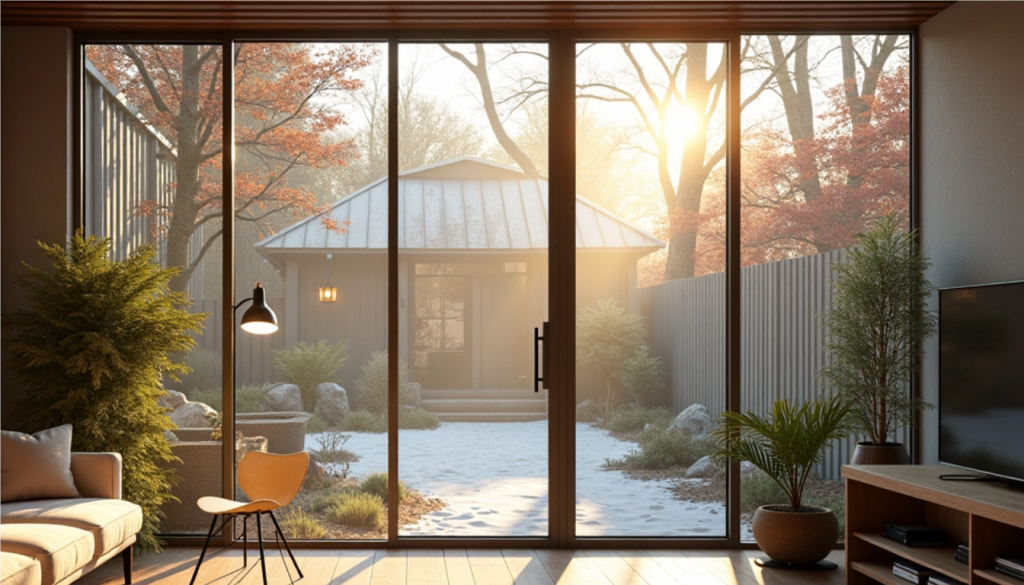
Garden rooms have exploded in popularity over the last few years. They’re being used as home offices, gyms, studios, quiet reading spaces, even full-on second living rooms. And in summer, they’re brilliant—doors open, light streaming in, everything feels easy.
But winter is where the design really gets tested.
A lot of garden rooms look great in July and become borderline unusable in January. Too cold, too dark, or just a bit “damp feeling”, even if they technically are insulated. The difference usually comes down to design decisions made early on.
If you want a garden room that works year-round—not just as a fair-weather extra space—there are a few key things to get right.
Insulation Basics
Insulation is the foundation of everything. If you get this wrong, no amount of heating or styling will fully compensate.
A well-insulated garden room should feel stable in temperature, not constantly swinging between freezing in the morning and struggling to warm up in the evening. This starts with the walls, floor, and roof all being properly insulated as a complete system.
Roof insulation is often the most important, because heat rises. If the roof isn’t performing well, you’ll lose warmth quickly no matter how good the rest of the structure is.
Floor insulation matters more than people expect too. A cold floor can make an entire room feel uncomfortable, even if the air temperature is fine. It’s that “cold sink” effect that slowly drains warmth from the space.
Think of insulation as the backbone of the room. Everything else is just helping it do its job properly.
Door Choice For Temperature Retention
Doors are one of the biggest weak points in any garden room. You can have excellent insulation everywhere else, but if the doors leak heat, you’ll always feel it.
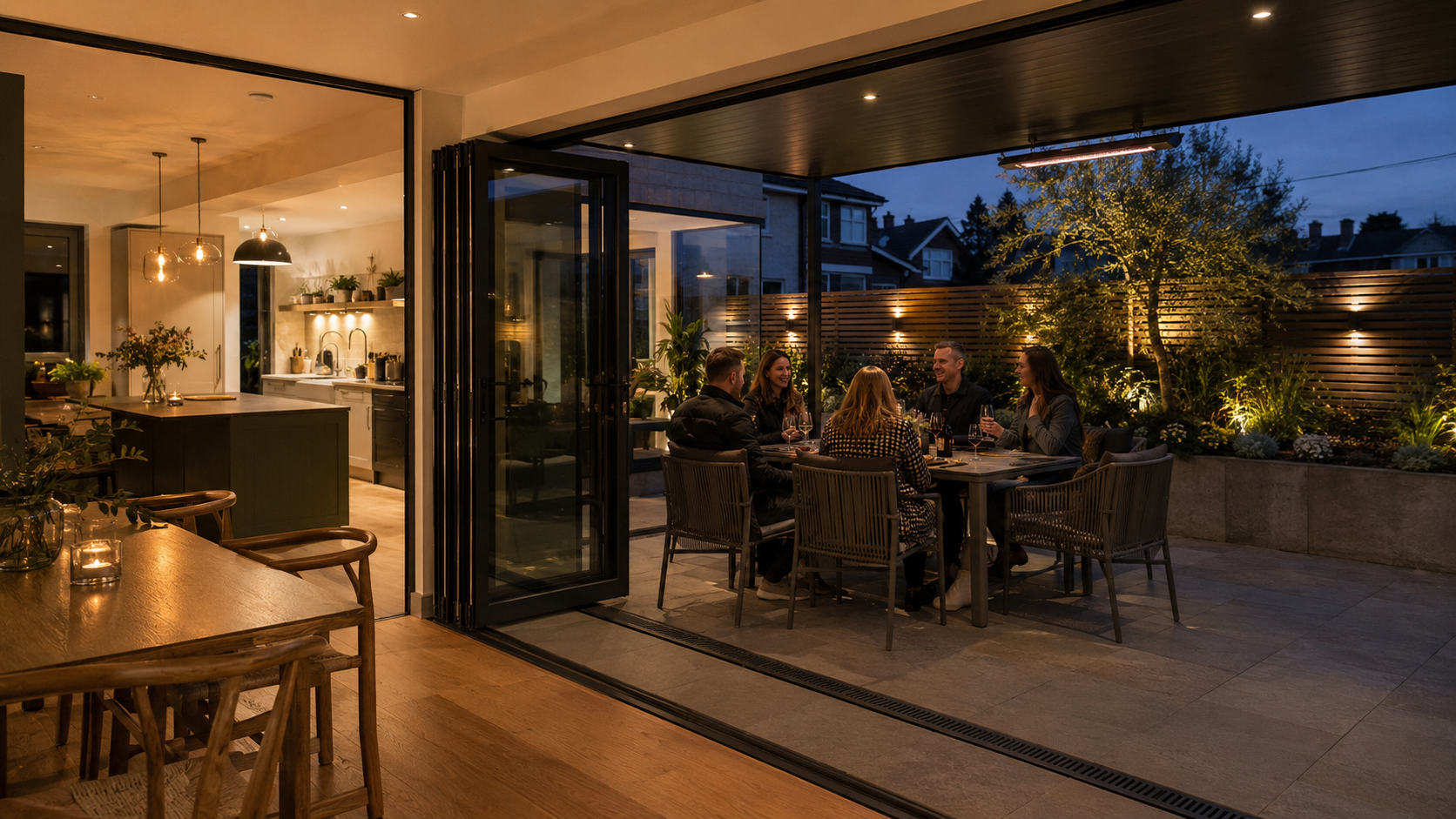
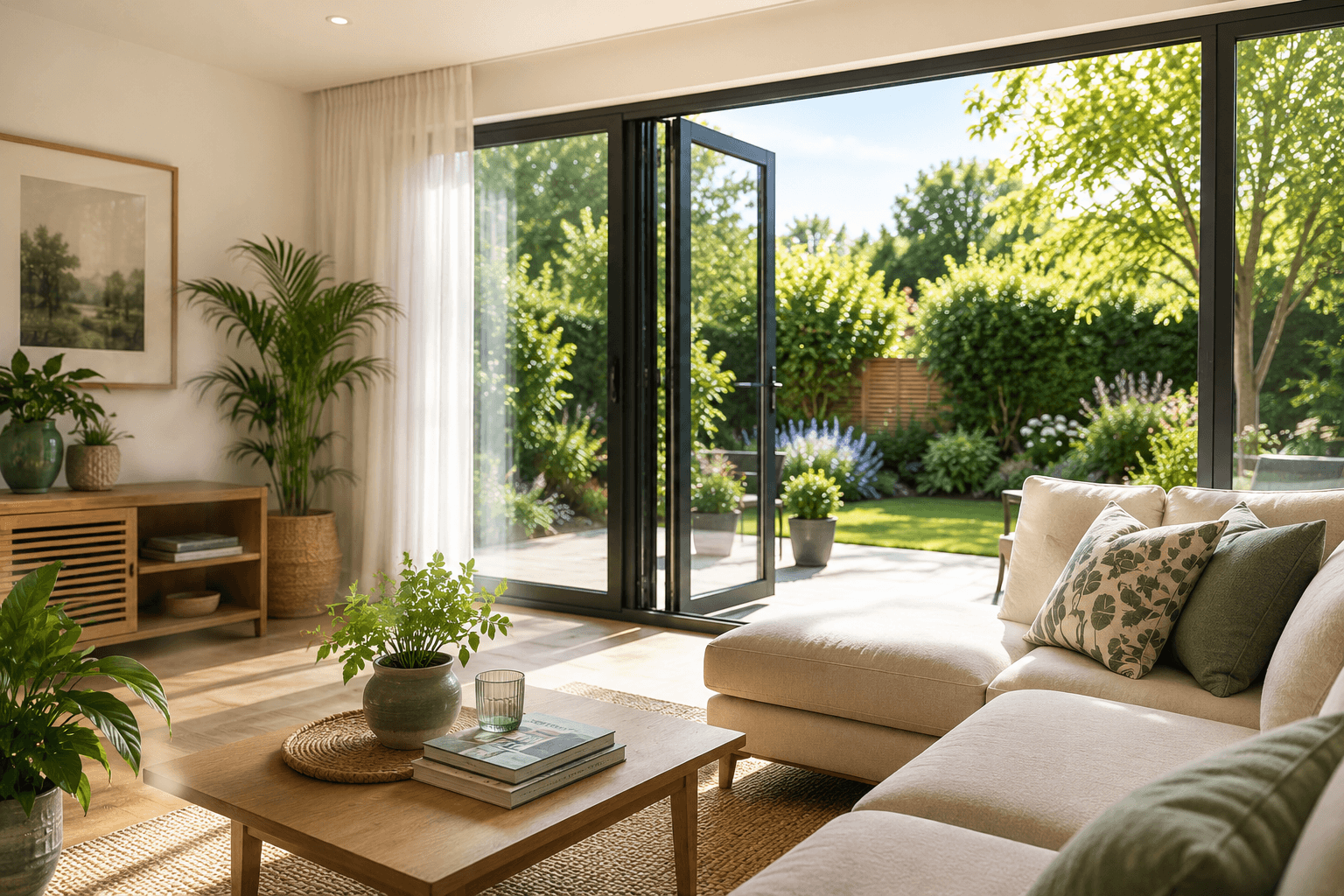
Large sliding or bifold doors look amazing and are often the go-to choice, but they vary massively in thermal performance. High-quality systems with proper seals and double or triple glazing are essential if you want year-round use.
Smaller openings can sometimes actually perform better thermally, but you lose that indoor-outdoor connection. So it’s always a balancing act between aesthetics and performance.
One detail that’s often overlooked is the frame material. Aluminium frames, for example, need proper thermal breaks to avoid becoming cold bridges. Without that, you can feel cold radiating from the frame even when the glass itself is well insulated.
Good door design should feel airtight when closed, but still smooth and effortless to open when you want that summer flow.
Thermal Blinds
Thermal blinds are one of those small additions that make a surprisingly big difference in winter comfort.
Glass is always going to be less insulating than a solid wall, so even high-performance glazing benefits from an extra layer of protection when temperatures drop.
Thermal blinds help trap heat inside the room by creating an insulating barrier across the window surface. In practical terms, they reduce heat loss in the evening and make the room feel less “cold glass heavy” when you’re sitting inside.
They also add flexibility. On bright winter days, you can still open them up and let natural light flood in. Then as soon as the sun goes down, they help hold warmth in.
It’s a simple upgrade, but it changes how usable the space feels during colder months.
Underfloor Heating
If there’s one feature that transforms a garden room in winter, it’s underfloor heating.
Unlike radiators, which heat the air unevenly and can feel localised, underfloor heating creates a gentle, consistent warmth throughout the entire space. That means no cold spots, no chilly corners, and no “hovering near the heater” effect.
It also works really well in smaller spaces like garden rooms because the heat rises evenly and naturally. Once the floor is warm, the rest of the room tends to stabilise quite quickly.
Electric systems are often used in garden rooms due to their simplicity and lower installation requirements, especially in standalone structures. While running costs depend on usage, the comfort level is hard to beat.
When combined with good insulation, underfloor heating turns a seasonal space into something you can genuinely use every day of the year.
Lighting And Ambience For Dark Months
Winter isn’t just cold—it’s dark. And that changes how a space feels just as much as temperature does.
A garden room that feels bright and open in summer can suddenly feel flat and uninspiring in December if the lighting hasn’t been considered properly.
Layered lighting works best. That usually means a mix of:
- Soft ambient lighting for general use
- Task lighting for work or hobbies
- Accent lighting to add warmth and depth
Warm white tones tend to work particularly well in garden rooms, especially when trying to create a cosy atmosphere during darker months.
Positioning is important too. Wall lights, floor lamps, and low-level lighting can all help reduce harsh shadows and make the space feel more inviting.
The goal isn’t just visibility—it’s comfort. You want the room to feel like somewhere you want to spend time, not just somewhere you can see properly.
Avoiding Condensation Issues
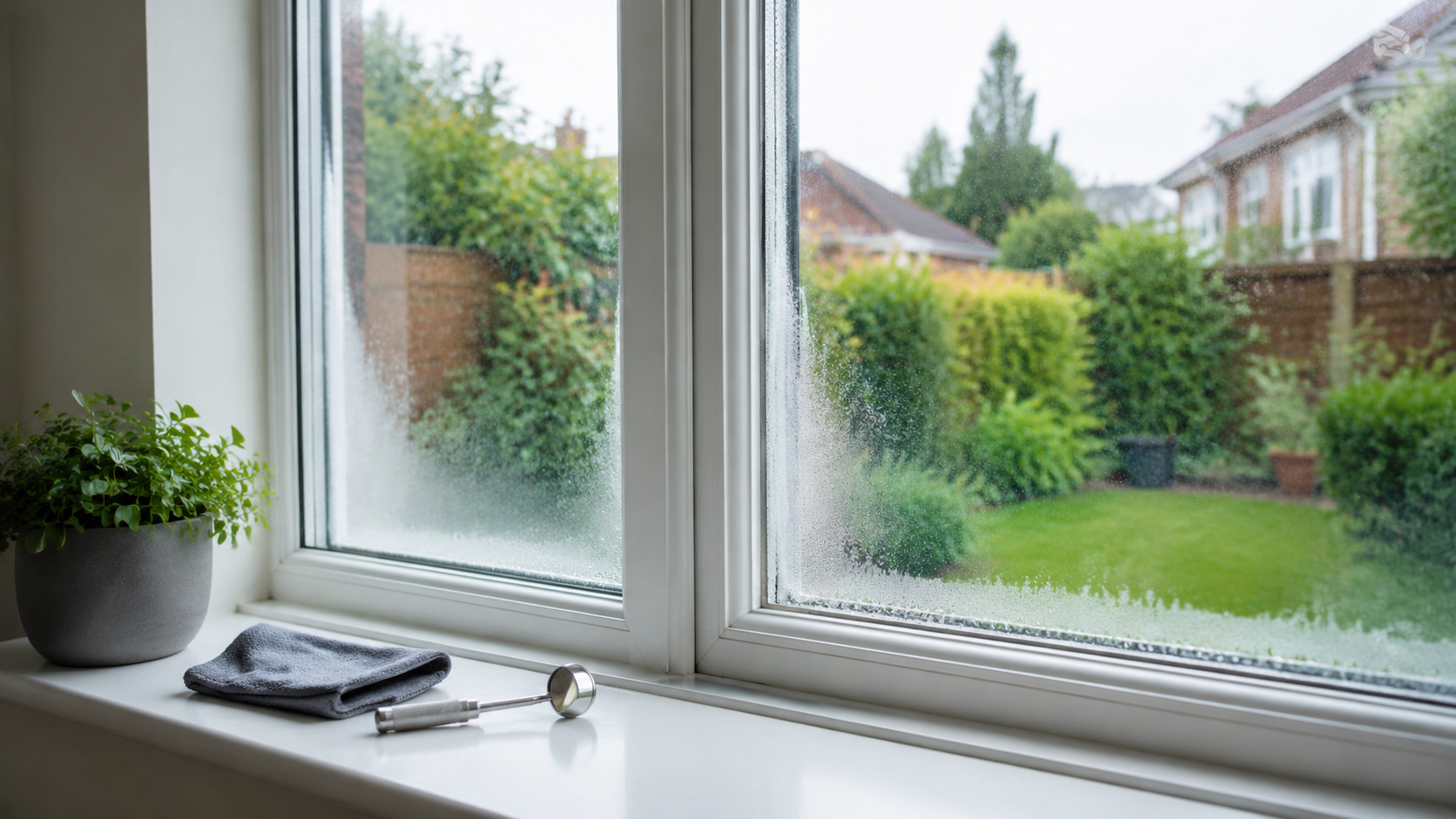
Condensation is a common issue in garden rooms, especially during colder months when warm indoor air meets cold glass surfaces.
It doesn’t always mean something is wrong, but it does need to be managed properly.
Good ventilation is key. Even simple trickle vents or occasional airflow through doors can help prevent moisture build-up. Without it, warm air from everyday activities—breathing, cooking nearby, even just being in the room—can gradually increase humidity levels.
Insulation also plays a role here. Poorly insulated surfaces are more likely to become cold enough for condensation to form. That’s why high-quality glazing and properly sealed structures matter so much.
It’s also worth thinking about how the room is used. Drying clothes or boiling kettles frequently inside a small garden room, for example, can quickly increase moisture levels.
A well-designed space should manage moisture passively, without you having to constantly think about it.
A Case Example Layout
To bring it all together, imagine a typical 4m x 3m garden room designed for year-round use.
On one side, you have full-height glazed doors opening onto the garden, with high-performance double glazing and a thermally broken aluminium frame. These are positioned centrally to maximise light and create a strong visual connection outside.
Inside, the floor is fully insulated with electric underfloor heating installed beneath a engineered wood or luxury vinyl finish. This keeps the space warm and comfortable even on colder mornings.
Along the side walls, built-in storage and shelving help reduce clutter, while leaving space for seating and a small desk area. This keeps the room flexible—usable as a home office during the week and a relaxation space at weekends.
Thermal blinds are fitted across all glazing, allowing full light during the day and heat retention in the evening.
Lighting is layered: recessed ceiling lights for general brightness, wall sconces for warmth, and a floor lamp in the seating corner to soften the space.
Finally, discreet ventilation ensures airflow without creating draughts, keeping condensation under control throughout the winter months.
The result is a room that doesn’t switch off in October. It simply adjusts.
Designing Your Home’s Highlight
Designing a garden room that works in winter is really about shifting mindset. It’s not just an “extra summer space”—it’s an extension of your home that should function all year round.
When insulation, heating, glazing, lighting, and ventilation all work together, the difference is dramatic. Instead of a space you abandon for half the year, you get a room that stays comfortable, inviting, and genuinely useful no matter what the weather is doing outside.
Categories: Uncategorised
)