Bringing Nature Inside: Window Styles That Make Your Garden The Star Of The Home

A well-designed garden adds structure, colour, and movement to a property – but its impact is often limited to the moments spent outdoors. However, with the right window design, the garden can become a permanent visual feature within the home; instead of functioning as a backdrop, it becomes a focal point that influences how interior spaces feel and function.
Windows play a central role in establishing this connection. Their size, style and placement determine whether the garden is partially visible or fully integrated into daily life. By approaching window design with intention, homeowners can frame the landscape in a way that feels considered and cohesive.
Picture Windows For Uninterrupted Views
Picture windows are one of the most effective ways to showcase a garden. Designed with minimal framing and large panes of glass, they provide clear, uninterrupted sightlines. This makes them particularly suitable for highlighting a specific outdoor feature, such as a mature tree, a structured planting scheme, or a carefully maintained lawn.
In living rooms and dining areas, a well-positioned picture window can function as a natural focal point. Furniture can be arranged to take advantage of the view, ensuring the garden becomes part of everyday routines rather than something seen only in passing.
Because picture windows do not open, they are often combined with other window styles to maintain ventilation. Their primary purpose is visual clarity, allowing the garden to be appreciated in detail throughout the year.
Large Casement Windows For Light And Airflow
Large casement windows offer both practical and aesthetic benefits. Hinged at the side, they open outward to provide effective ventilation while still delivering generous views. When specified in larger proportions, they maintain clean lines and avoid excessive subdivision of the glass.
Casement windows are adaptable and suit both contemporary and traditional properties. Positioned carefully, they can direct attention towards a particular section of the garden, whether that is a flowering border, raised beds, or a water feature.
The combination of fresh air and natural light enhances comfort within the home. By selecting slim profiles and appropriate glazing, homeowners can maximise visibility without compromising performance.
Bifold Windows For Flexible Living Spaces
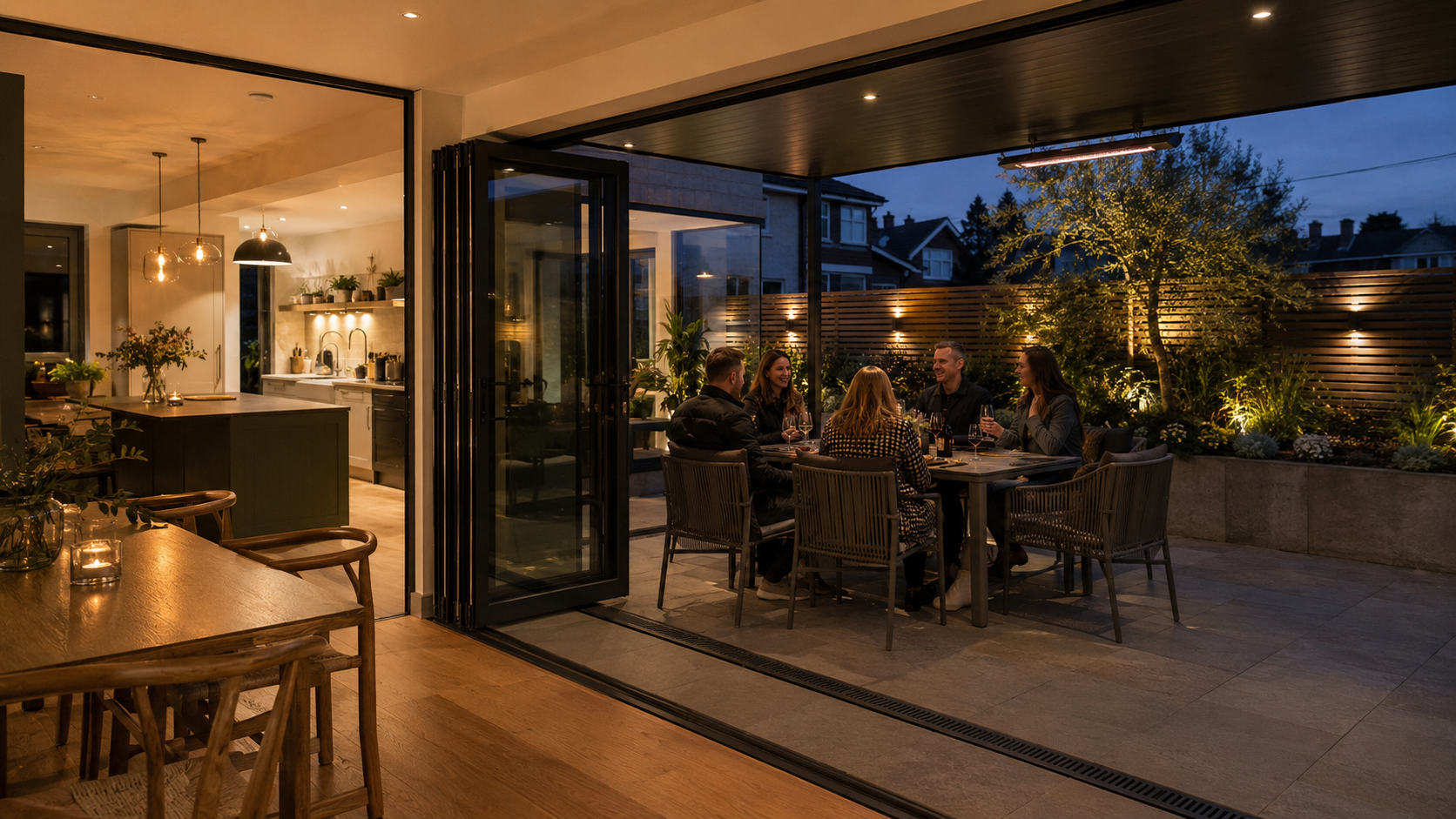
Bifold windows are often installed in kitchens or informal dining areas. When closed, they provide wide glazing that strengthens the visual link to the garden. When open, they fold neatly to one side, creating a broad opening without the need for full-height doors.
This configuration works well above worktops or along rear walls where maintaining usable interior space is important. It allows the garden to remain prominent while preserving areas for cabinetry or seating.
Bifold windows also support seasonal flexibility. During warmer months, they can be opened to increase airflow and interaction with outdoor spaces. In cooler periods, the glazing continues to provide light and views while maintaining insulation.
Framing Key Garden Features
The effectiveness of any window depends on what it frames. Thoughtful placement ensures that important landscape elements are aligned with interior sightlines. A single specimen tree, architectural planting, or a water feature can be positioned so that it is clearly visible from primary living areas.
This requires coordination between interior layout and garden design. Considering views from seating areas, dining tables, or kitchen islands helps determine where glazing will have the greatest impact. Rather than creating random openings, the aim is to establish deliberate visual connections.
When planned carefully, the garden contributes structure and depth to the interior. Seasonal changes in foliage and light provide variation, ensuring the view remains engaging throughout the year.
Bay Windows And Defined Seating Areas
Bay windows introduce additional dimension to a room while capturing wider angles of the garden. By projecting outward from the façade, they increase natural light and expand the sense of space.
A bay window overlooking the garden can be adapted into a seating area or reading space. Built-in benches or fitted cushions make practical use of the projection while maintaining a clear view outdoors. This arrangement encourages regular use of the space and reinforces the relationship between interior and exterior.
Architecturally, bay windows add interest to both the inside and outside of the property. They suit period homes particularly well but can also be incorporated into contemporary designs with simplified detailing.
Window Placement For Sunrise And Sunset
Orientation has a significant influence on how the garden is experienced from within the home. East-facing windows allow morning light to enter kitchens and breakfast areas, providing clear views of planting in softer light. West-facing glazing captures evening light, which can emphasise texture and structure in the landscape.
South-facing windows increase daylight levels throughout the day, strengthening the visual connection between interior and exterior. Understanding the path of the sun helps determine where larger areas of glazing will be most effective.
Considering light at the planning stage ensures that the garden remains visible and well-lit under different conditions, rather than appearing flat or shadowed for much of the day.
Natural Materials And Complementary Colour Palettes
The materials and finishes surrounding a window influence how the garden is perceived. Timber frames introduce warmth and can align well with natural planting schemes, while aluminium frames in muted tones may suit more structured or contemporary landscapes.
Inside the home, finishes that reflect colours found outdoors help create continuity. Neutral shades, muted greens, and earthy tones provide a balanced backdrop that does not compete with the view, and natural materials such as wood flooring or stone surfaces reinforce this connection.
The objective is consistency rather than contrast. When interior design supports the landscape visually, the transition between inside and outside becomes more coherent.
Designing Windows Around The Garden
Windows have the capacity to redefine how a garden is experienced. Through considered selection and placement, they can frame key features, increase natural light, and establish a consistent relationship between interior spaces and the landscape.
Picture windows provide uninterrupted views, large casements combine airflow with visibility, and bifold windows offer flexibility without sacrificing wall space. Bay windows create defined seating areas, while thoughtful orientation ensures the garden is appreciated in varying light conditions.
If you are planning a renovation or new build, evaluate your window design in relation to your garden. By aligning glazing with landscape features and selecting materials that support the connection, you can ensure the garden becomes an integral part of your home rather than a separate element beyond it.
Categories: Uncategorised