How To Maximise Natural Light In North-Facing Homes
North-facing rooms often appear darker than their south-facing counterparts. While these rooms benefit from consistent, indirect daylight, the light tends to be cooler and less intense, which can make interiors feel subdued.
With careful planning and the right design choices, north-facing spaces can be made bright, inviting, and visually comfortable, without relying on artificial lighting.
Why North-Facing Rooms Feel Darker
The reduced light in north-facing rooms is primarily due to the path of the sun. In the northern hemisphere, sunlight comes predominantly from the south, meaning north-facing windows rarely receive direct rays. As a result, light enters indirectly, often appearing softer, cooler, and less vivid.
While this diffuse lighting is consistent throughout the day and avoids harsh shadows, it can emphasise dull colours and make a room feel smaller or less open. Without thoughtful design, a north-facing room can feel heavy or underlit, but with the right strategies, the space can feel lighter, more spacious, and more balanced.
The Best Glazing Solutions
Maximising the amount of glass is one of the most effective ways to increase daylight. Large windowpanes allow light to travel deeper into a room, reducing dark corners and creating an open feel. Slimline frames further enhance this effect by minimising visual obstruction, ensuring daylight is not compromised by thick borders.
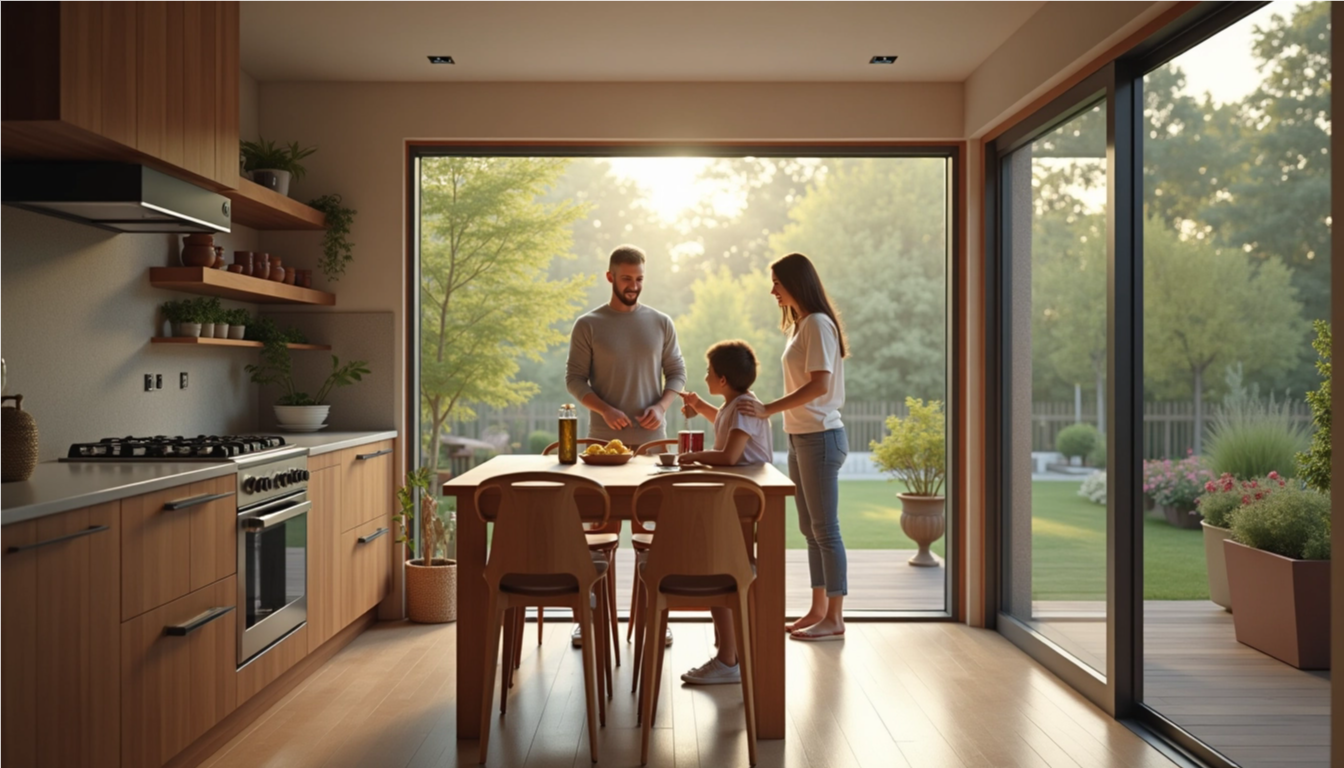
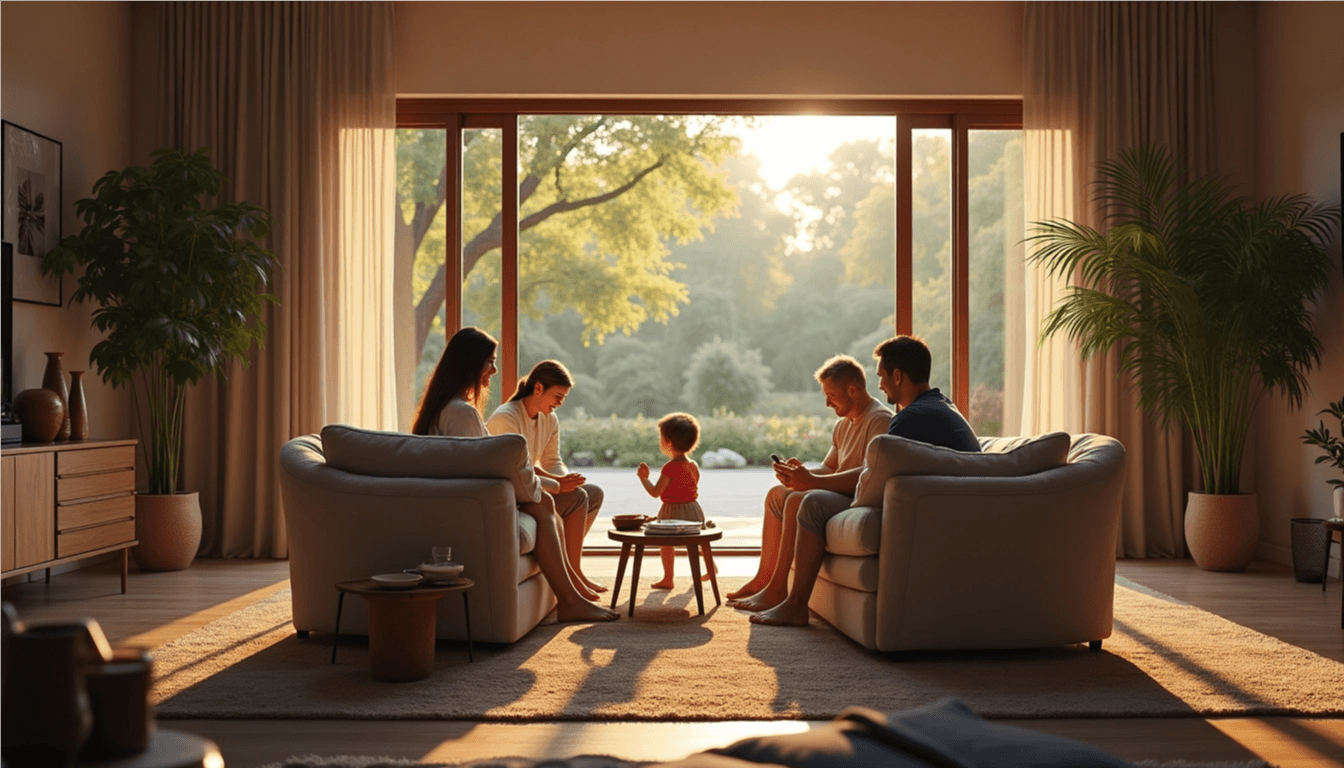
Sliding doors are another option for ground-floor rooms. They provide extensive glass surfaces, improving daylight access while maintaining a seamless connection to outdoor spaces. In some cases, floor-to-ceiling glazing or glass walls is suitable, offering a minimalist aesthetic while maximising light entry.
Consideration should also be given to window orientation and placement. Placing windows higher on walls or integrating multiple openings can help distribute light more evenly throughout the room.
Choosing The Right Frame Colour
Window frame colour can significantly influence the perception of light. Lighter shades such as white, cream, or soft grey reflect more daylight, helping to brighten interiors. In contrast, darker frames absorb light and can emphasise shadows, which may be counterproductive in rooms that already receive limited sunlight.
Light-coloured frames not only enhance illumination but can also make rooms feel more spacious and open. For north-facing rooms, selecting reflective or pale finishes is a simple yet effective strategy for maximising natural light.
Light-Enhancing Flooring And Wall Colours
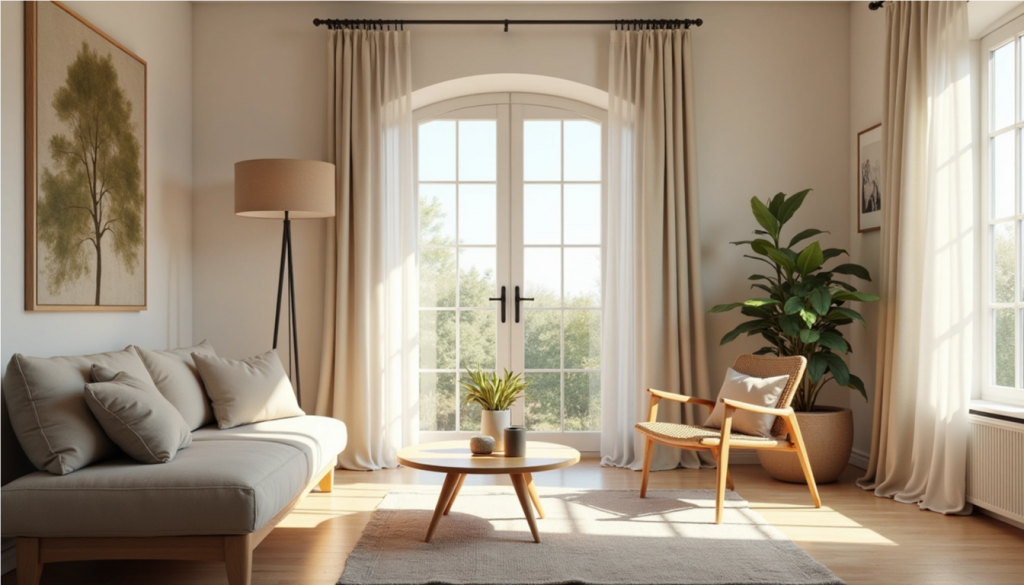
The surfaces inside a room play a key role in daylight distribution. Walls painted in light colours, including off-white, beige, or pale pastel shades, reflect more light than darker tones, helping to lift the overall ambience of the space. Finishes with subtle sheen, such as satin or eggshell, can diffuse daylight evenly, avoiding stark contrasts or shadows.
Flooring can further enhance light levels. Light timber, pale tiles, or neutral carpets reflect daylight, while darker flooring can absorb it, making the space feel heavier. Even smaller interior elements, such as pale skirting boards or countertops, contribute to reflecting light, ensuring that every available ray is used effectively.
Glass Technology
Advances in glazing technology offer solutions to enhance natural light while maintaining comfort.
Low-Iron Glass allows maximum light transmission without the slight green tint found in standard glass, producing clearer, brighter daylight.
Anti-Glare Coatings also help to manage light, reducing reflections while preserving its intensity. These coatings prevent harsh visual effects and improve comfort in rooms with high-gloss surfaces or reflective furniture.
When selecting glass for north-facing rooms, prioritising clarity and light transmission is essential. By choosing appropriate materials, the limited daylight can be optimised to make interiors feel airy and balanced.
Roof Lanterns Vs Large Patio Doors
Roof lanterns and large patio doors offer complementary solutions for brightening north-facing rooms.
Roof Lanterns, installed above the space, introduce vertical light, which can reach areas that windows alone cannot illuminate. This is particularly effective for single-storey extensions, open-plan kitchens, or living spaces with minimal wall area for glazing.
Large Patio Doors, in contrast, increase horizontal light, opening a direct link to outdoor areas while allowing substantial daylight into the room. Combining roof lanterns with patio doors can create a well-lit interior, as daylight enters from multiple angles, reducing shadows and creating a more balanced distribution of light.
The choice between the two solutions, or the use of both, depends on room layout, orientation, and design preferences. Both options contribute to a brighter interior, maximising natural daylight without relying on artificial sources.
Light Up Your Living Space
North-facing rooms do not have to be dark or uninviting. While indirect light is less intense than direct sunlight, careful consideration of glazing, frame colour, interior finishes, and glass technology can significantly enhance brightness.
Using larger panes, slimline frames, and sliding or floor-to-ceiling doors allows light to enter more freely. Light-coloured walls and reflective flooring amplify daylight, while low-iron and anti-glare glass ensures clarity and comfort. Roof lanterns and large patio doors can further increase light penetration, improving spatial perception and overall ambience.
By combining these strategies, north-facing spaces can feel open, well-lit, and comfortable, making them as practical and attractive as rooms that face the sun. Thoughtful design ensures that daylight is maximised throughout the day, creating interiors that are both functional and visually pleasing.
Categories: Uncategorised