The Power Of Natural Light: How Modern Windows Can Transform Your Living Spaces
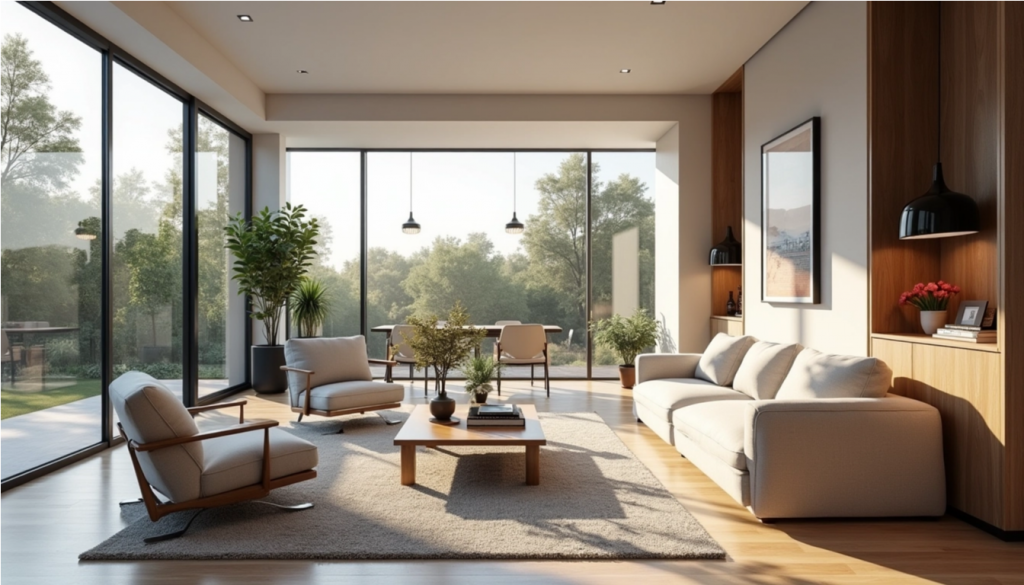
Natural light plays a central role in how a home looks, feels, and functions. More than a source of illumination, it influences wellbeing, shapes interior design, and affects how spaces are used throughout the day. With modern window and glazing solutions, homeowners can take a far more considered approach to daylight—using it deliberately to improve comfort and efficiency.
Let’s take a closer look at how to do this.
Natural Light As A Design Tool
In modern housing design, natural light is treated as a core element rather than a finishing touch. Layouts are increasingly planned around how daylight enters and moves through a home, with glazing used to support both form and function. Well-designed windows can visually expand a room, reduce dependence on artificial lighting, and help create interiors that feel balanced and well proportioned.
Unlike artificial light, daylight changes throughout the day, giving spaces a subtle sense of variation. This can add depth to interiors without relying on heavy design features or excessive decoration.
How Window And Door Placement Affects Mood And Productivity
Where windows and doors are positioned has a direct impact on how a room is experienced. Daylight exposure is linked to improved concentration, better sleep patterns, and reduced stress levels, making window placement particularly important in frequently used spaces.
Living rooms benefit from broad, evenly distributed light, which supports a calm and comfortable environment. In kitchens, good daylight improves visibility and makes routine tasks easier. And for home offices, access to natural light can support focus and reduce eye fatigue, especially when screens are in use.
Glazed doors also play a role by allowing light to move between rooms, helping to prevent darker areas within a home and support a more consistent level of light across adjoining spaces.
What Large-Format Glazing Adds To A Room
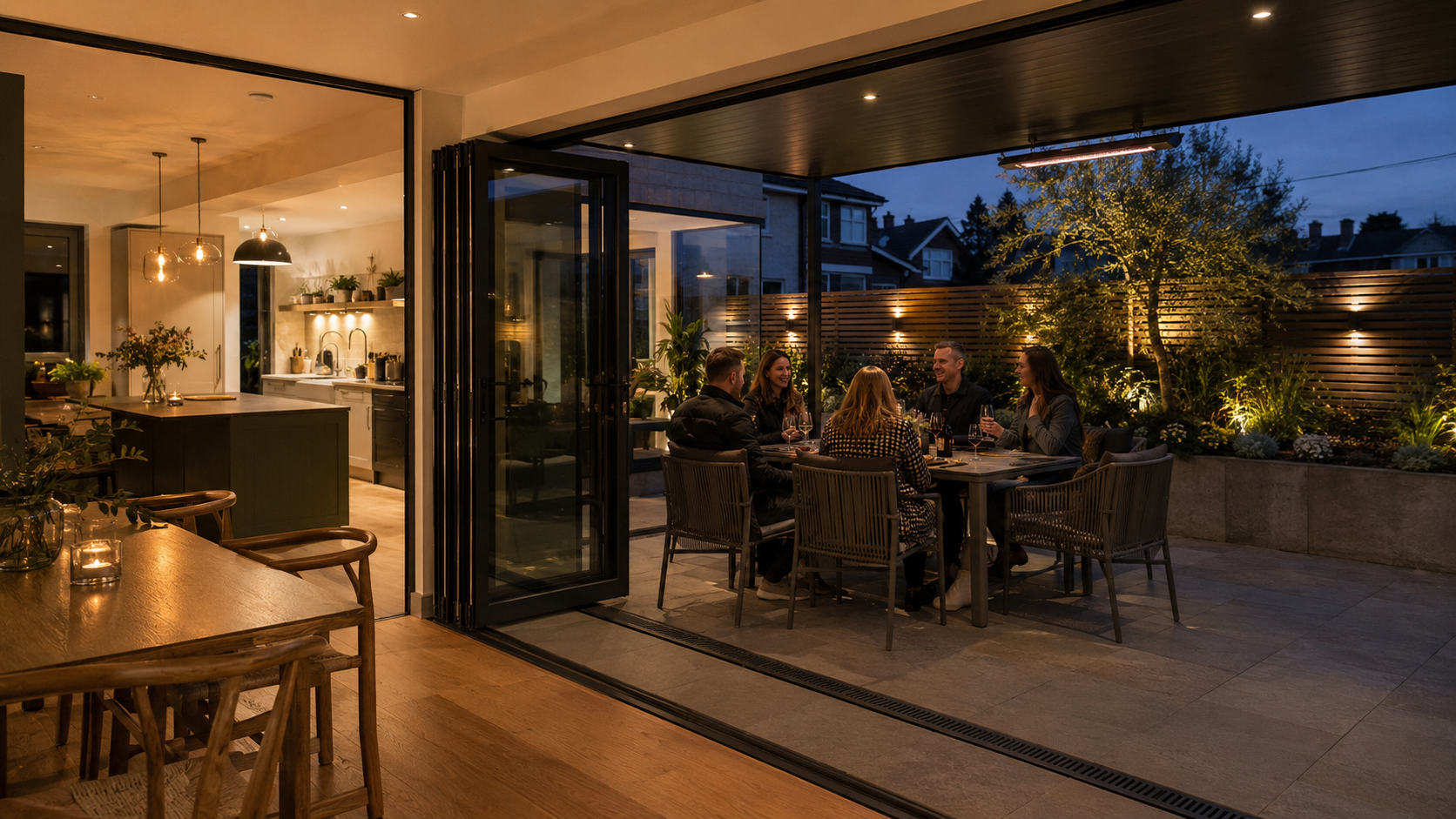
Large-format glazing has become increasingly popular in both new builds and renovations. Sliding doors, bifold systems, and full-height windows all allow more daylight to enter a space and create a stronger visual connection with the outdoors.
From a practical standpoint, larger glazed areas can make rooms feel more open and easier to use, particularly in areas such as open-plan kitchens or living spaces. Plus, modern glazing systems are designed to perform well thermally, meaning homeowners can benefit from increased light without compromising insulation or comfort.
These systems also provide greater design flexibility, allowing interiors to be arranged around views and natural sightlines rather than being restricted by smaller window openings.
South-Facing Vs North-Facing
Orientation is a key factor when planning glazing.
South-facing windows receive higher levels of sunlight, particularly in the middle of the day. This can help to warm spaces naturally but may require additional consideration in terms of shading or solar control to prevent overheating.
North-facing windows provide more consistent, indirect light. While they do not offer the same level of warmth, they are well suited to rooms where steady light is preferred, such as offices or studios.
Understanding how different orientations affect light levels allows glazing to be specified more accurately, ensuring each room receives the type of light that best suits its use.
Glare Control And Glass Technology
Managing daylight effectively is as important as maximising it. Excessive brightness or glare can make spaces uncomfortable, particularly in rooms with screens or reflective surfaces.
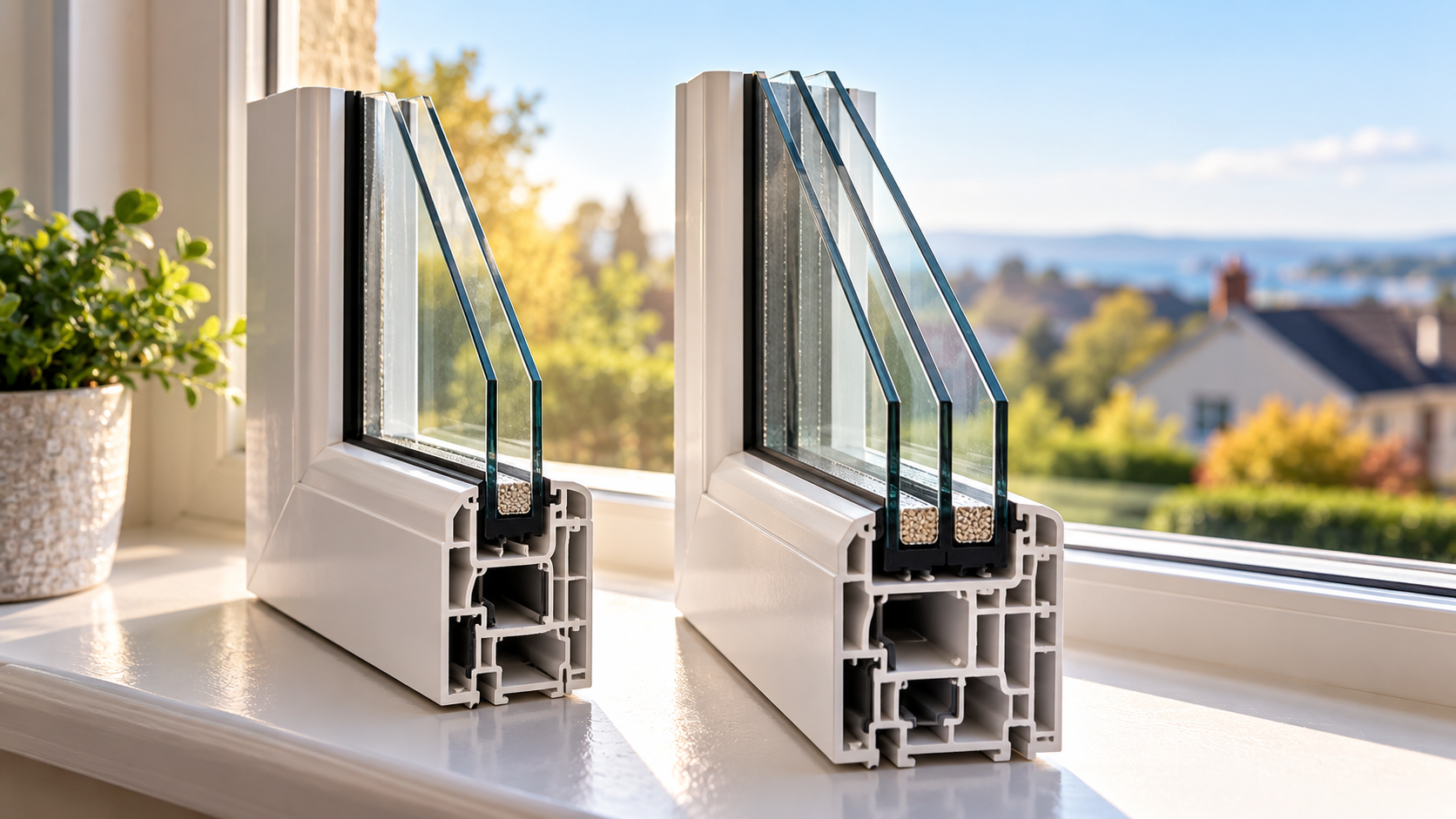
Modern glazing options include solar-control coatings, low-emissivity glass, and laminated solutions that reduce glare and regulate heat while still allowing natural light to pass through. These technologies also help to protect interiors from UV exposure and support consistent indoor temperatures.
Integrated blinds within glazed units offer additional control, allowing light levels to be adjusted without affecting the overall appearance of the windows.
Light-Enhancing Décor Choices
Interior finishes play an important role in how light is distributed. Pale wall colours, lighter flooring, and simple ceiling finishes help reflect daylight rather than absorb it. This allows light to travel further into a room, particularly in deeper floor plans.
Mirrors and subtle reflective surfaces can also improve light distribution, especially in smaller or narrower spaces. Keeping window areas free from heavy furnishings ensures that daylight can enter a room without unnecessary obstruction.
When combined with well-planned glazing, these choices can significantly improve the overall brightness of a home.
Natural Light For A Brighter, Happier Home
Natural light has a big influence on comfort, wellbeing, and how you enjoy your home. With the right approach, it can be used purposefully to improve how your living spaces work every day.
Critical to this is considering window placement, glazing size, orientation, and glass technology. So, if you want to upgrade your windows or doors, speak with one of our specialists to help make the right glazing choices for your property and lifestyle!
Categories: Uncategorised