Transforming Small Spaces: How The Right Door Or Window Can Make A Room Feel Twice As Big
Living in a small home or apartment has its perks—cosy spaces, less clutter, and a lower maintenance load. But for many, the biggest challenge lies in making compact rooms feel spacious and open, especially when every inch counts.
Whether you’re working with a tiny kitchen, a cramped living room, or a small bedroom, it can feel like you’re constantly fighting against the walls closing in on you. The good news is, there are clever ways to trick the eye and maximise the space, and often, the solution lies in one of the most overlooked elements of a room: doors and windows.
By understanding how glazing, the direction of light, and the design of doorways and windows can influence spatial perception, you can easily create an illusion of more space, turning even the smallest of rooms into areas that feel larger and more inviting.
Let’s take a closer look.
How Glazing Affects Perceived Space
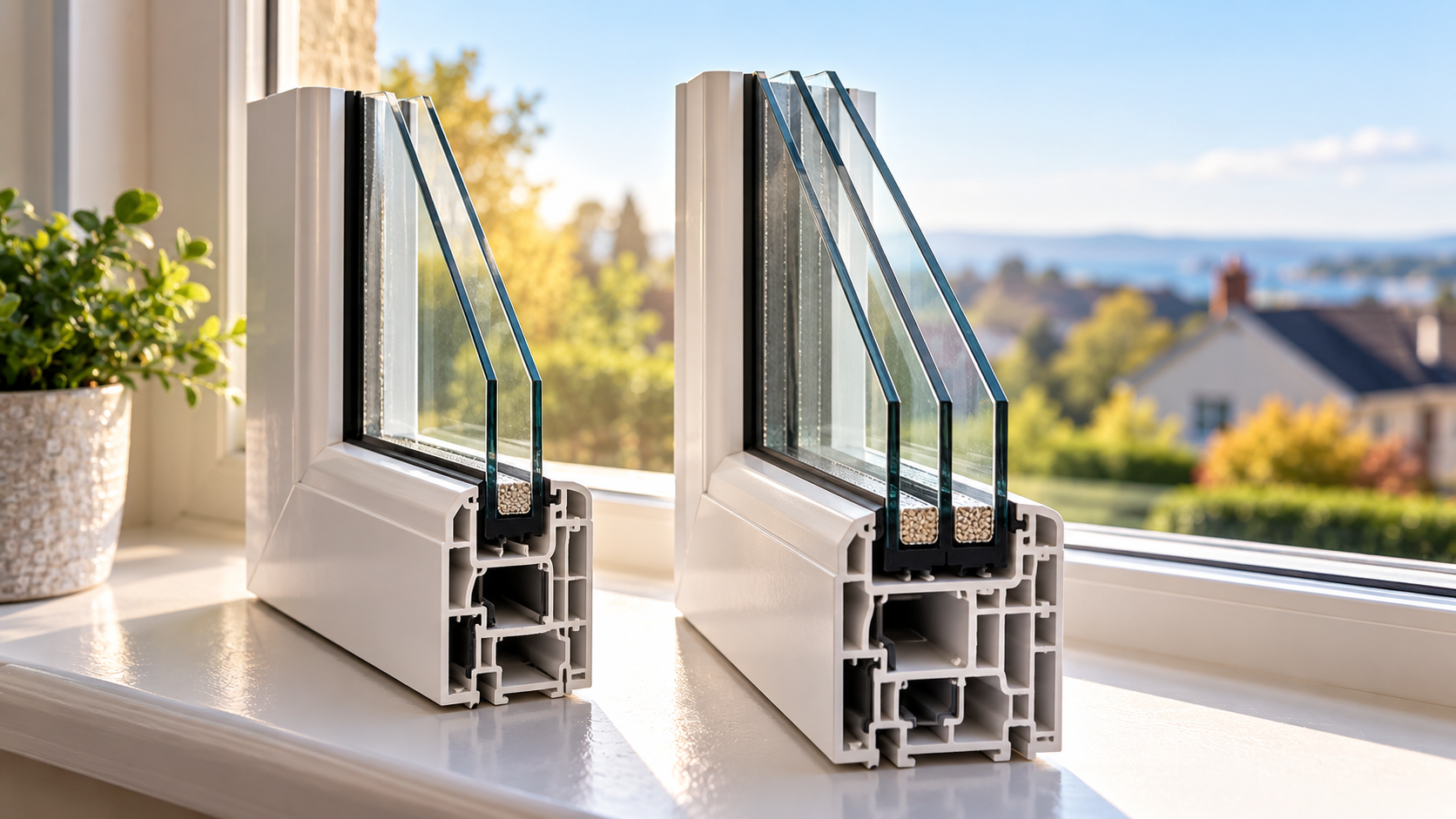
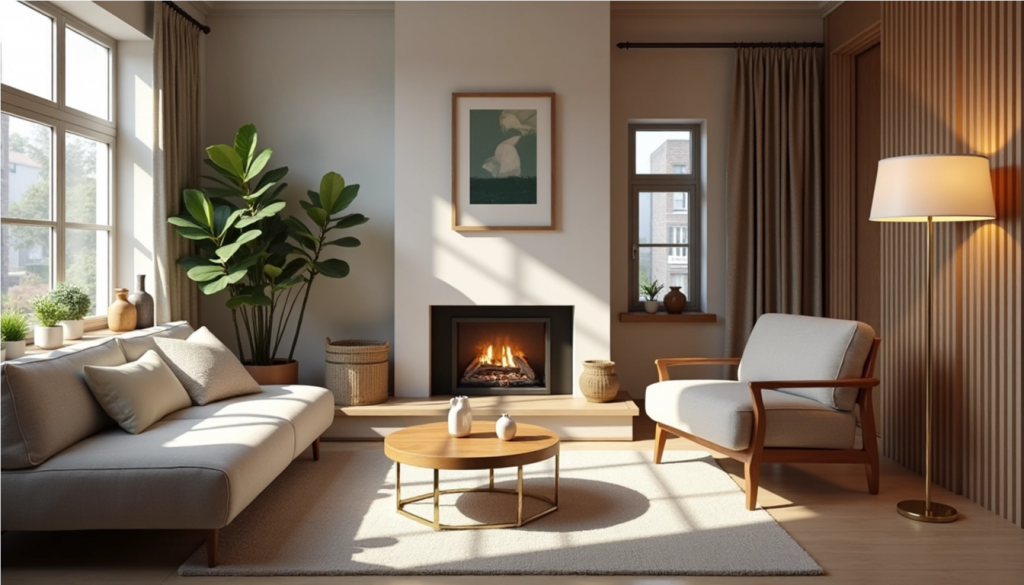
When considering design options for smaller homes, glazing plays a pivotal role in how a room feels. Glazed doors and windows – especially those that let in lots of natural light – can instantly transform a room. The more natural light you can bring in, the bigger a space will appear. Light bounces off surfaces, making the room feel airier and less confined.
Large, unobstructed panes of glass, whether in doors or windows, can open up a space visually. Avoiding heavy frames or dark-tinted glass helps keep the space feeling fresh and expansive. The transparency and seamless flow between inside and out create a sense of connection with the world beyond, which helps in making the room feel less boxed in.
Essentially, glazing turns the external environment into a part of your room’s visual landscape, effectively ‘expanding’ its boundaries.
Sliding Doors For Tight Areas
For homeowners working with tighter spaces, sliding doors can be a game-changer. Unlike traditional doors that swing open, sliding doors take up far less room when opened or closed, allowing you to maintain a clear and open floor plan. This makes them ideal for smaller living rooms, kitchens, or even bedrooms, where space efficiency is key.
Not only do sliding doors conserve space, but they also provide a wide, uninterrupted view of the outdoors. If you have a small garden or a balcony, a sliding door offers easy access while still giving the impression of more space, especially when paired with floor-to-ceiling glazing.
The sleek lines of a sliding door also add a modern touch, creating a sleek and sophisticated aesthetic that complements a minimalist style, which is often a favourite in small room designs.
Tall Windows + Vertical Sightlines
In smaller spaces, it’s easy to overlook how vertical sightlines can influence the feeling of space. Tall windows, especially when placed in areas where they reach up to the ceiling, draw the eye upwards and create a sense of height. This vertical perspective makes the room feel less cramped and more expansive. It’s one of the easiest tricks to make a room appear larger without changing the actual square footage.
For even better results, choose window designs that let in light from above, such as skylights or high-set windows. This kind of design creates an airy, open feel that makes rooms seem taller and more spacious. When strategically placed, these types of windows can make even the most modest of rooms feel grand and lofty.
Use Light Reflection Tricks (e.g. Floors, Glass, Wall Colour)
Another subtle yet effective trick to create the illusion of more space is to manipulate how light reflects around the room. Lighter floors, such as pale wood, light tiles, or white carpets, bounce natural light around and prevent the space from feeling dark or enclosed. You can also play with the walls—paint them in soft, neutral colours, or even try light-reflecting finishes, such as glossy paints, to further amplify light.
Glass elements – like mirrors or reflective furniture – are another clever addition. By strategically placing mirrors across from windows or doors, you can reflect light and create a sense of depth in the room. The illusion of extended space helps trick the eye into thinking the room is larger than it truly is.
Opening Angles And Access Considerations
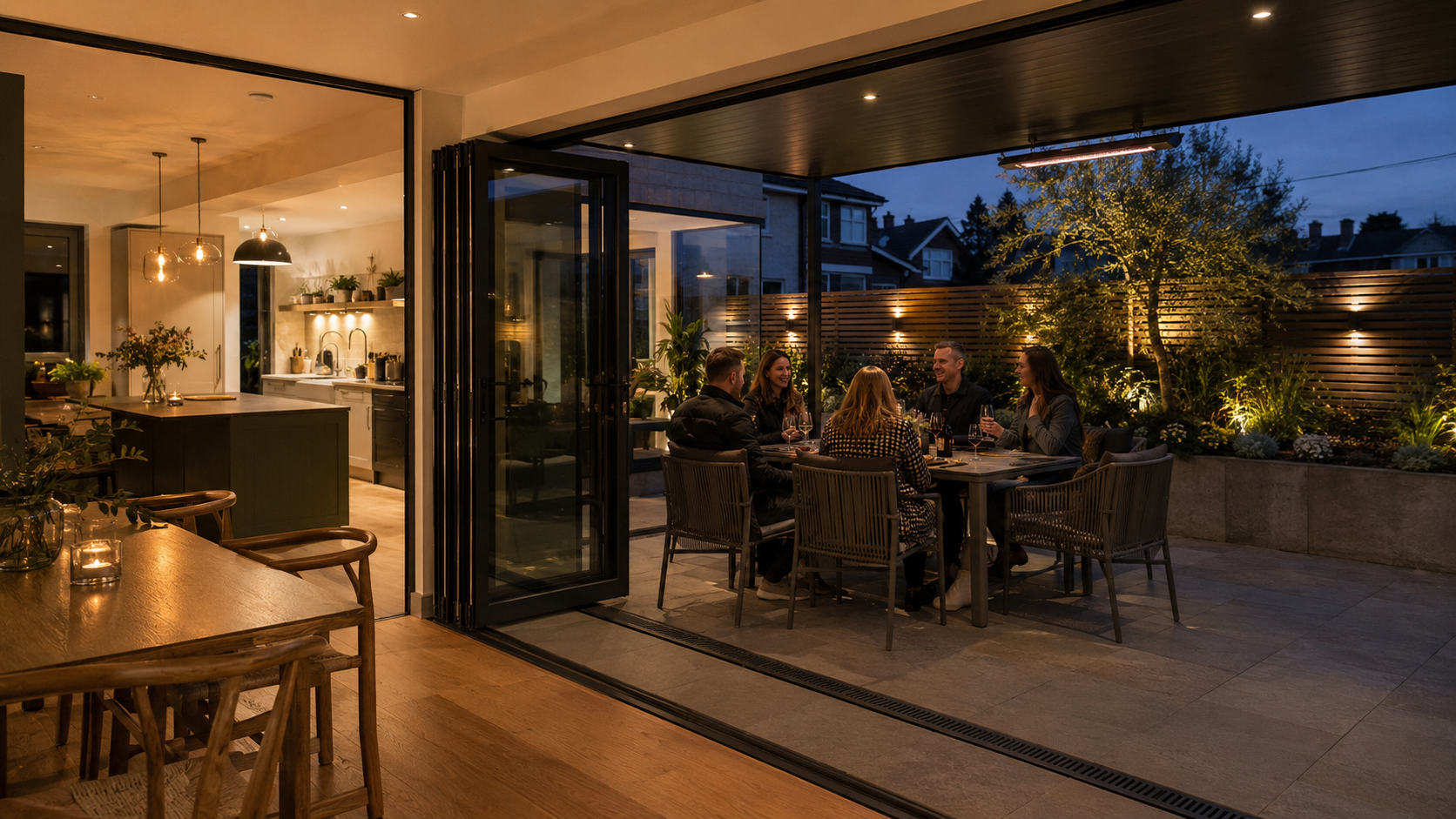
While doors and windows can visually expand a space, how they open can also affect the overall flow. When choosing doors, consider how they open and where they open into. A door that swings outwards rather than inwards can free up valuable space within the room. Similarly, bi-fold doors or pivoting doors offer versatility, allowing you to open up walls entirely when needed, especially in areas like kitchens or dining rooms.
For windows, choose designs that provide more access to the outdoors, without compromising on space. French windows, for example, allow you to open up the entire wall to the outside, blurring the boundary between interior and exterior, and making the space feel larger and more connected.
Micro-Garden Ideas For Small Patios
If you have a small patio, balcony, or garden area, don’t overlook the potential for transforming these spaces into mini outdoor retreats. The key to making a small outdoor area feel bigger is using vertical gardening techniques. Vertical planters, hanging baskets, and wall-mounted garden shelves can create the illusion of more space without taking up valuable ground area.
Additionally, consider choosing plants with a ‘sprawling’ growth habit—those that drape or climb—such as ivy, climbing roses, or cascading herbs. These plants give the impression of space extending beyond the walls. Incorporating a few cleverly placed mirrors or glass elements in your patio decor can also help reflect the greenery, adding to the sense of openness.
The Impact Of Doors And Windows In Interior Design
When dealing with smaller spaces, doors and windows are often critical design elements that can drastically change the way a room feels. From large panes of glazing that let in natural light, to the strategic use of vertical sightlines and sliding doors, these architectural elements can transform any room into one that feels expansive and welcoming.
By considering how glazing, door types, light reflection, and clever outdoor design can work in your favour, you can unlock the full potential of even the most compact spaces. If you’re ready to start transforming your home, why not begin with a door or window update?
Contact us today to explore the best solutions for your home!
Categories: Uncategorised